Kaj storiti (in česa ne storiti), ko drugo plovilo pokliče na pomoč
Jadranje je strast, a tudi odgovornost. Vsakomur se lahko zgodi, da naleti na plovilo v stiski in pokliče na pomoč. Tukaj je praktičen vodnik za hitro in varno reševanje situacije ter preoblikovanje trenutka krize v dejanje pomorske solidarnosti.
Morje je prostrano, a skupnost jadralcev združuje nevidna nit medsebojne pomoči. Če ste vajeni jadranja po valovih, boste prej ali slej naleteli na prizor, ki zahteva vaše posredovanje: drugo plovilo v okvari, posadka v stiski. Kaj storiti v teh primerih? Odgovor je kombinacija priprave, previdnosti in poznavanja morskih pravil.
Najdi najboljše ponudbe za najem plovil
Preberi tudi: Ovire in druga plovila: tukaj so 3 koraki do varnosti
Najprej previdnost: ocenite situacijo
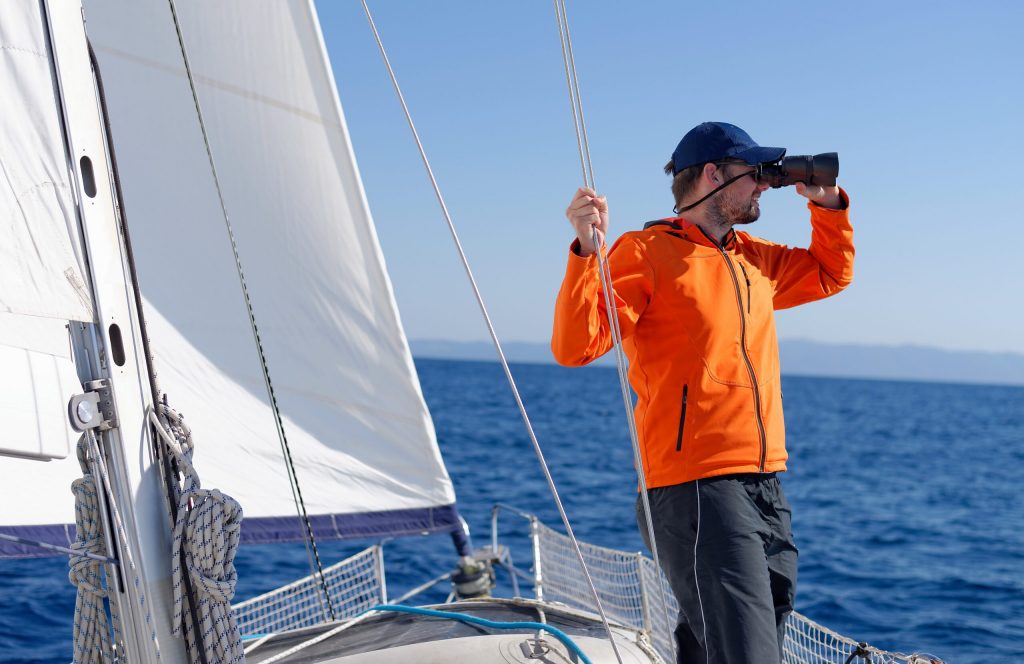
Približevanje plovilu, ki je videti v stiski, zahteva močne živce. Pozorno analizirajte situacijo: poslušajte radijske signale v stiski, pozorno opazujte plovilo in njegove potnike. Prepričajte se, da je vaša pomoč dejansko potrebna. Približajte se previdno in ohranjajte varno razdaljo.
Vprašajte, ali potrebujejo pomoč, ne da bi se vi kar podali na krov. Če je plovilo videti zapuščeno, vendar očitno v stiski, se ne vkrcajte: najbolje je, da takoj obvestite reševalne službe in počakate na njihov prihod.
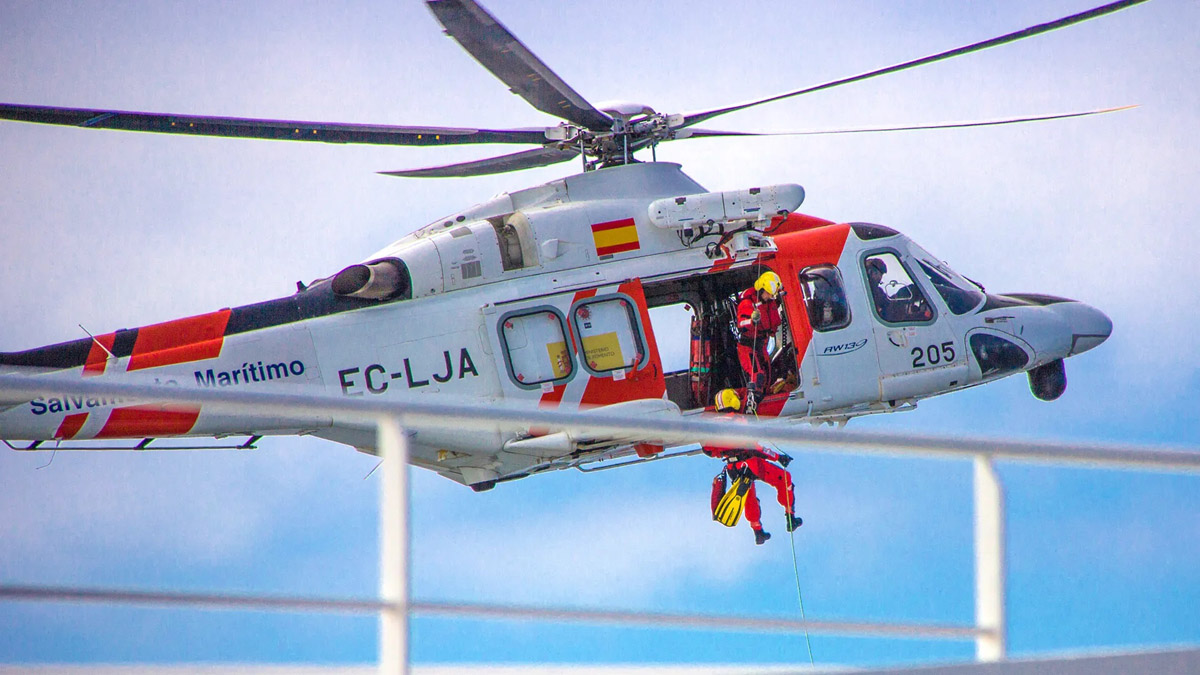
Alarm: kako poklicati pomoč
Italija: pokličete 1530, da se obrnete na obalno stražo – informacije, ki bi jih moral imeti vsak rekreacijski čolnar vedno pri roki. Lahko pa uporabite tudi VHF radio. Če so razmere kritične, oddajte klic v stiski »Mayday« na kanalu 16 in besedo ponovite trikrat. Nato navedite ime svojega čolna, svoj položaj, naravo nesreče, potrebno pomoč, število ljudi na krovu in morebitne poškodbe. Govorite jasno in počasi ter po potrebi ponovite informacije.
Upoštevajte, da je kanal 16 rezerviran izključno za nujne primere in ga je zato treba uporabljati odgovorno. Čeprav je VHF radio glavno komunikacijsko sredstvo, je lahko mobilni telefon koristen dodatek – če je pokritost z omrežjem.
Hrvaška: V primeru nesreče ali incidenta na morju pokličite 195, brezplačno telefonsko številko Nacionalnega centra za koordinacijo reševanja na morju (MRCC Rijeka). Če kličete s stacionarnega ali mobilnega telefona, prav tako pokličite 195.
Grčija: Grška obalna straža je glavna agencija za iskanje in reševanje v Grčiji. Telefonska številka grške obalne straže za klic v sili je 108, številka za vse splošne nujne primere pa 112. Centralni koordinacijski urad grške obalne straže je dosegljiv na telefonski številki +30 210 4112500.
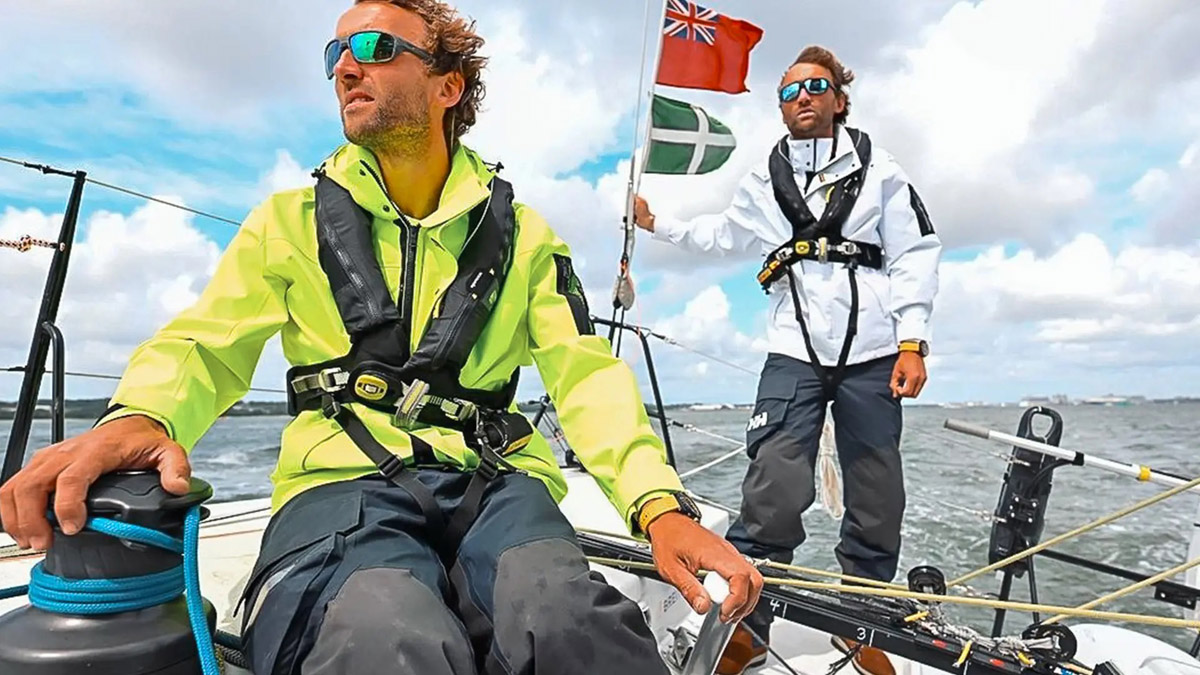
Rešilni jopiči: gesta, ki rešuje življenja
Okvara, požar, nasedanje: v teh primerih je prednostna naloga evakuacija ljudi s plovila v stiski. Osebna reševalna oprema (OSP) postane bistvenega pomena. Čeprav jo mora imeti vsako plovilo, je lahko nezadostna ali pa jo celo ni. Rezervni rešilni jopiči na krovu lahko bistveno vplivajo na ljudi, saj omogočajo varno doseganje vašega plovila, če imate na krovu dovolj prostora.
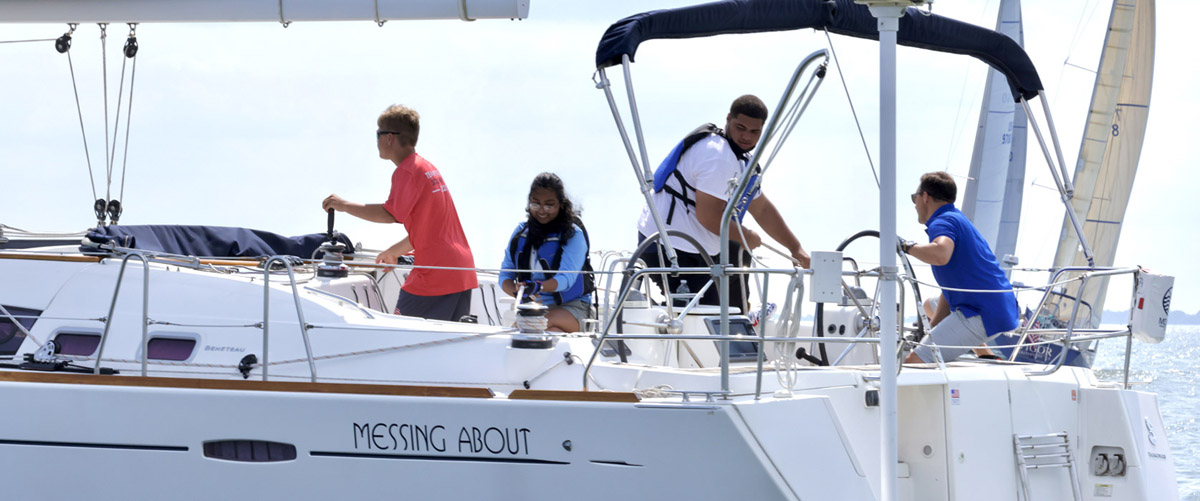
Ne ogrožajte svoje posadke
Solidarnost je temeljna vrednota, vendar nikoli ne sme ogroziti varnosti vašega plovila in posadke. Ne preobremenjujte svojega plovila s preveč potniki in vedno vzdržujte varno razdaljo od plovila v stiski, zlasti v slabem vremenu. Če ste na krov vzeli ljudi ali vlečete drugo plovilo, vedno obvestite pomorske oblasti.
Če naletite na prevrnjeno plovilo, ne posredujte, razen če ste prepričani, da so ljudje v stiski. Približajte se z zavetrja in bodite pozorni na propeler in potopljena jadra, ki bi lahko ogrozila varnost vašega plovila.
Signali v stiski: ne prezrite jih
Oranžne zastave, dimne bombe, luči SOS za klic v sili, rdeče rakete: vse to so nedvomni signali klica v stiski. Ne prezrite jih! Enako velja za hupe in piščalke. Zakon od vas zahteva, da nudite pomoč, če ste zmožni, pri čemer vedno upoštevajte lastno varnost. Približujte se previdno in se s plovilom povežite po radijski zvezi.
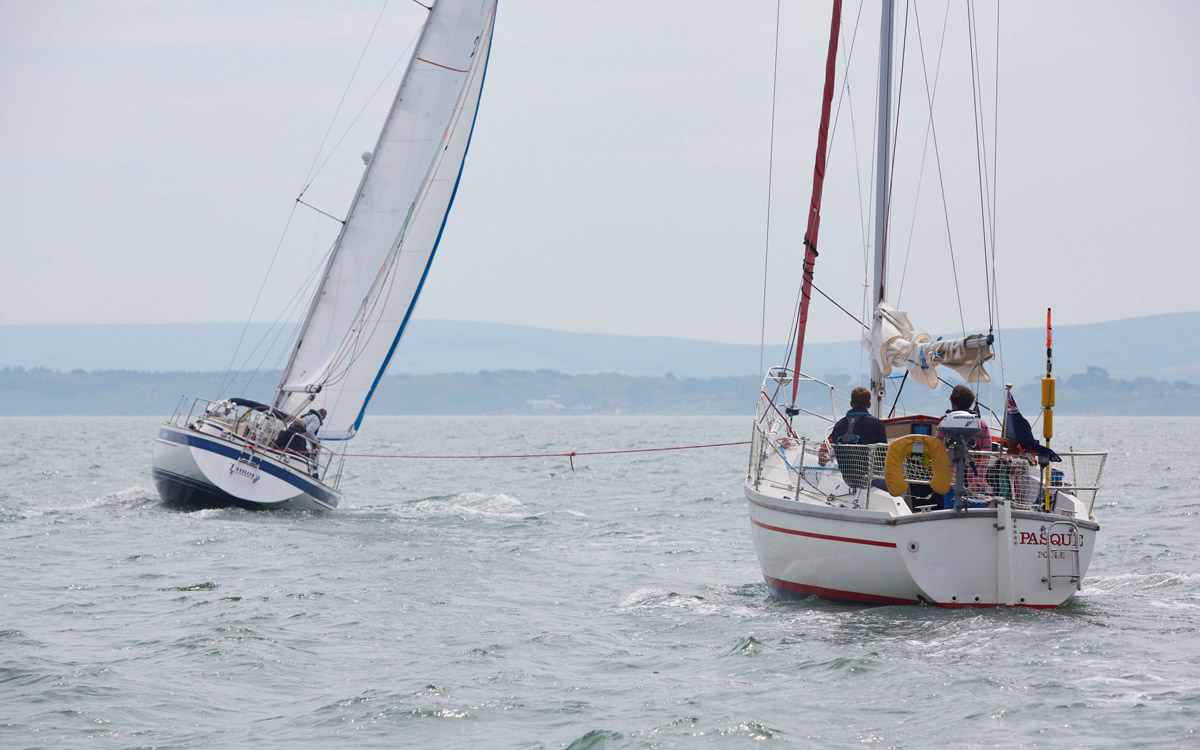
Vleka v sili: občutljiva operacija
Če se odločite za vleko drugega plovila, se prepričajte, da so vlečne kljuke trdne in varne. Uporabite trdne vrvi ustrezne dolžine. Nadaljujte z nizko hitrostjo in vzdržujte varno razdaljo med ploviloma, da sinhronizirate njuno gibanje skozi valove. Nikoli ne poskušajte vleči plovila, večjega od svojega.
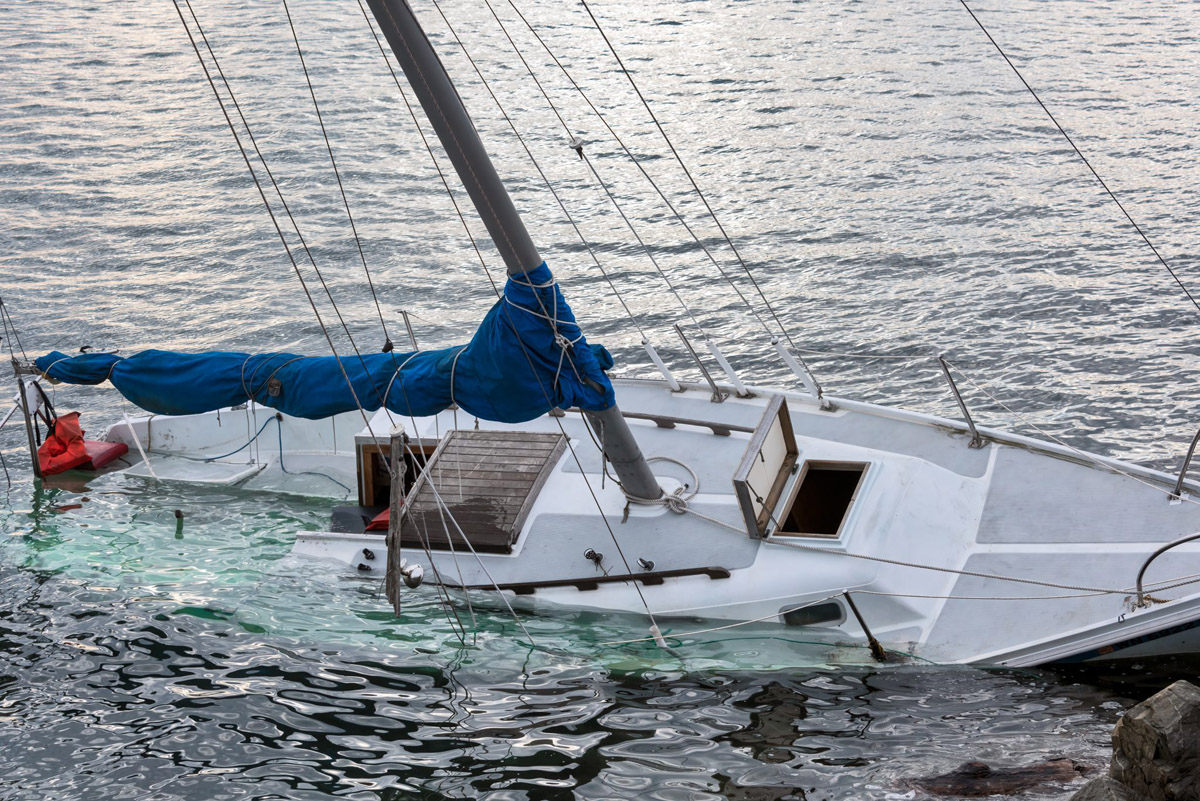
Ohraniti mirno kri: ključ do učinkovitega ukrepanja
V nujnih primerih je bistvenega pomena ohraniti mirne živce. Ne paničarite, še posebej, če je moški v morju. Ne potapljajte se takoj, da bi poskušali nekoga rešiti, saj bi vas lahko njihova vznemirjenost ogrozila. Vrzite reševalno napravo, se čim bolj približajte s čolnom in pomagajte osebi na krov.
Ko na krov pripeljete ljudi v stiski, si izmenjajte kontaktne podatke. Še vedno boste morali incident prijaviti pomorskim oblastem, zato je za nadaljnje ukrepanje ključnega pomena imeti kontaktne podatke osebe, ki ste jo rešili. Ne pozabite, da je plovba z ladjo izziv, a tudi priložnost za prikaz solidarnosti in duha sodelovanja, ki navdihuje skupnost jadralcev.
Photo credits immagine apertura: Oyster Yachts.


Morda vam bo všeč tudi
Ustica – črn in uporniški otok, vendar z dobrim srcem
Kako spremljati temperaturo hladilnika in zamrzovalnika na plovilu?