Sailing among the wonderful and ancient islands of the Dodecanese
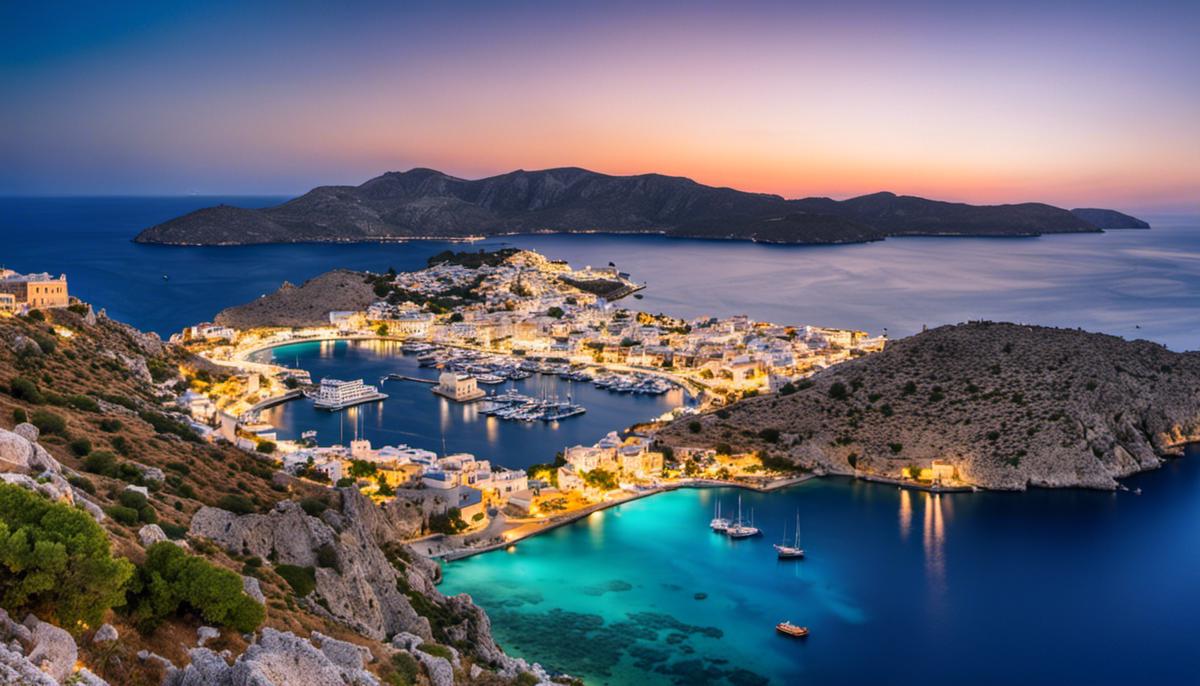
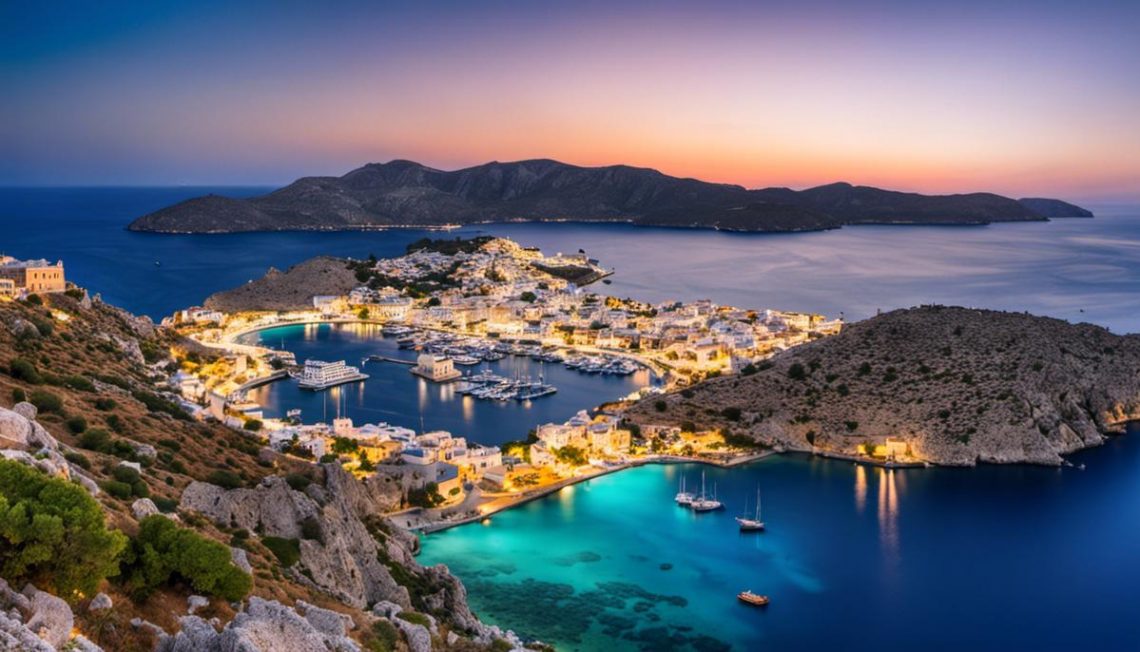
The islands of the Dodecanese are one of the most fascinating archipelagos in Greece. Located in the south-eastern Aegean Sea on the border with Turkey, this group of twelve main islands and numerous smaller islets offers cruising sailors an extraordinary mix of ancient history, medieval architecture, and breathtaking natural landscapes. The archipelago takes its name from the Greek “dodeka nesos,” which literally means “twelve islands,” even though it actually includes more than 160 islands and islets, of which only 26 are inhabited. Its strategic position has made these lands a crossroads of different civilizations: from the Knights of Rhodes to the Ottoman Empire, from Italian occupation to their return to Greece in 1947.
Rhodes, the pearl of the Dodecanese, is home to one of the best-preserved medieval towns in Europe as well as the archaeological site of Lindos. Kos, the island of Hippocrates, combines ancient history with lively nightlife, while Symi enchants visitors with its pastel-colored neoclassical houses perched around the harbor. The archipelago also stands out for its archaeological richness and the variety of its landscapes: from the volcanic beaches of Nisyros to the crystal-clear waters of Halki, from the monasteries of Patmos to the natural thermal springs of Kos.
Discover the best boat rental deals in the Dodecanese
In short, anyone who takes a sailing trip in the Dodecanese has the opportunity to navigate crystal-clear waters, explore traditional villages, and immerse themselves in authentic Greek culture. The summer season, from May to October, is ideal for sailing thanks to the steady and favorable winds.
Day 1: Rhodes (Rhodes Marina), Embarkation
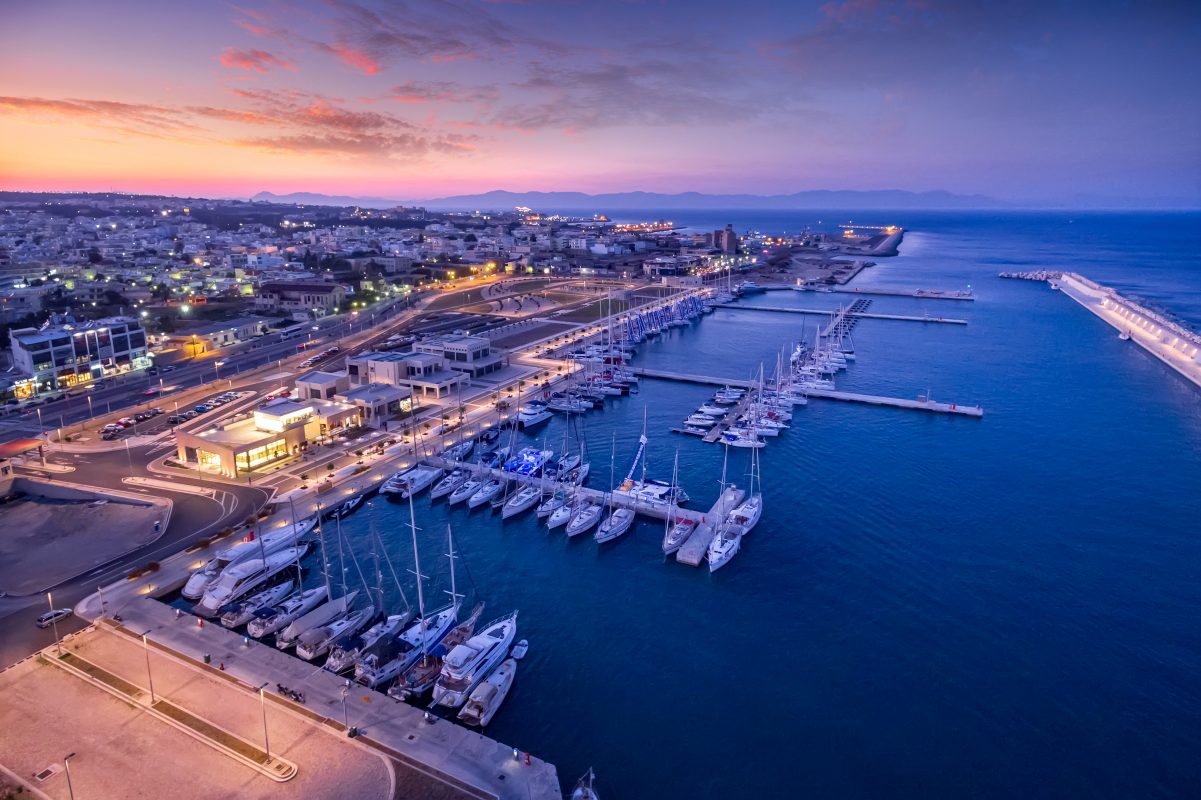
The boarding base for our Dodecanese cruise is Rhodes Marina, located east of the city of Rhodes. The marina has 382 berths, all equipped with mooring lines, with depths ranging from 5 to 6.5 meters. Each berth provides water, electricity, phone connection, and Wi-Fi. Other facilities include fuel supply, two travel lifts (250 and 400 tons), 24-hour surveillance, shops, a supermarket, bars, cafés, a restaurant, a gym, and scooter rental. Access within the marina is controlled via an electronic card for the docks. The medieval old town, a UNESCO World Heritage site, is just 2.5 km from the marina and is easily reachable by taxi or bus.
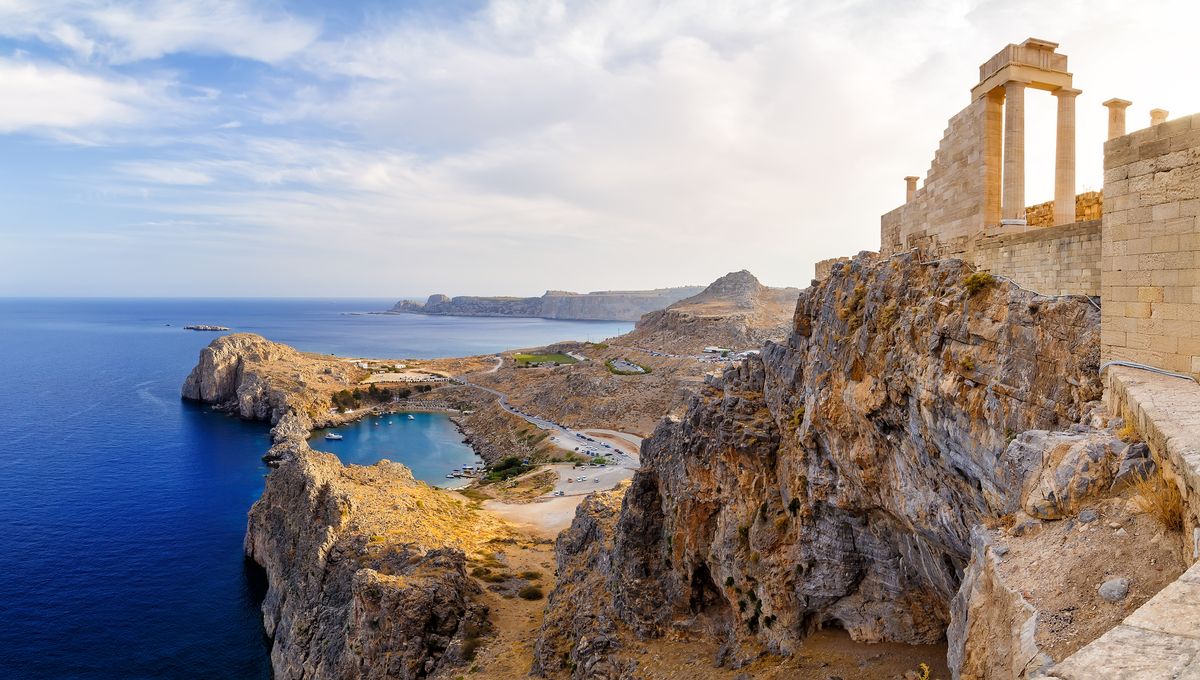
Rhodes is an island with a millennia-long history, offering sailors a wide range of attractions. From breathtaking beaches like Anthony Quinn Bay, Faliraki, Prasonisi, Ladiko, and Tsambika, to archaeological sites such as ancient Kamiros and the Acropolis of Rhodes, with its Hellenistic stadium and remains of the Temple of Apollo. The island also impresses with its natural landscapes: the Valley of the Butterflies, a natural sanctuary where thousands of butterflies create a unique spectacle, and the Seven Springs with their cool spring waters. There are also medieval castles like Kritinia and Monolithos, perched on rocky promontories, and picturesque inland villages that preserve the authentic Greek atmosphere.
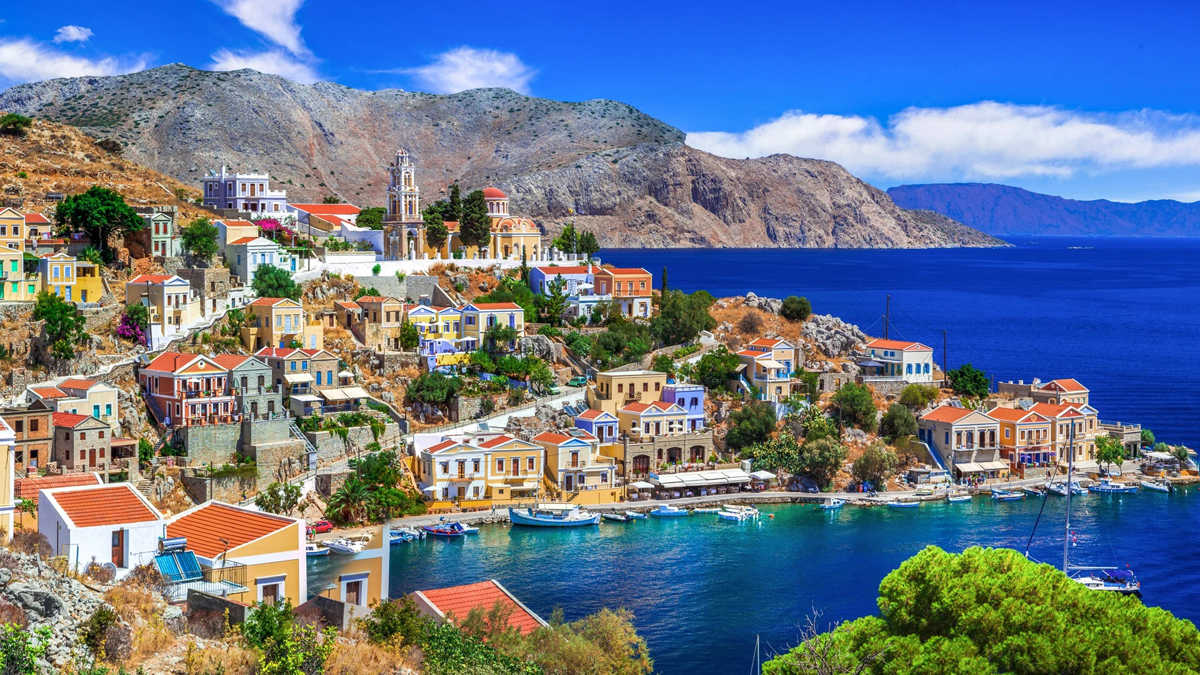
Day 2: Rhodes (Rhodes Marina) – Symi, 23 nautical miles
Symi is a true jewel of the Dodecanese, distinguished by its multicolored neoclassical architecture. The island’s mountainous terrain, with Mount Vigla rising to 616 meters, creates spectacular contrasts between the crystal-clear waters of the Aegean and the rocky cliffs plunging into the sea. According to Greek mythology, Symi takes its name from a nymph, the wife of Poseidon, and is also considered the birthplace of the Three Graces.
The picturesque port of Gialos is the heart of Symi. This natural harbor, set within a deep rocky inlet, was used as a base for Italian submarines during World War II. Pastel-colored neoclassical houses climb the hillsides, forming a natural amphitheater of rare beauty. Along the waterfront, elegant cafés, traditional tavernas, and local artisan shops line the promenade. The Clock Tower, built in 1884, dominates the main square and serves as a reference point within the maze of alleys that rise to the upper part of the town.
Among Symi’s beaches, noteworthy are Agios Georgios Dysalonas, tucked into a narrow inlet on the west coast; Marathounda, a natural bay with crystal-clear waters and a Mediterranean atmosphere; Agia Marina, with its small sandy beach and a picturesque rocky islet reachable by swimming, where a small chapel stands. Also worth visiting is Pedi Bay, in the eponymous fishing village with white-and-blue houses reflecting on the sea, and tavernas serving freshly caught fish.
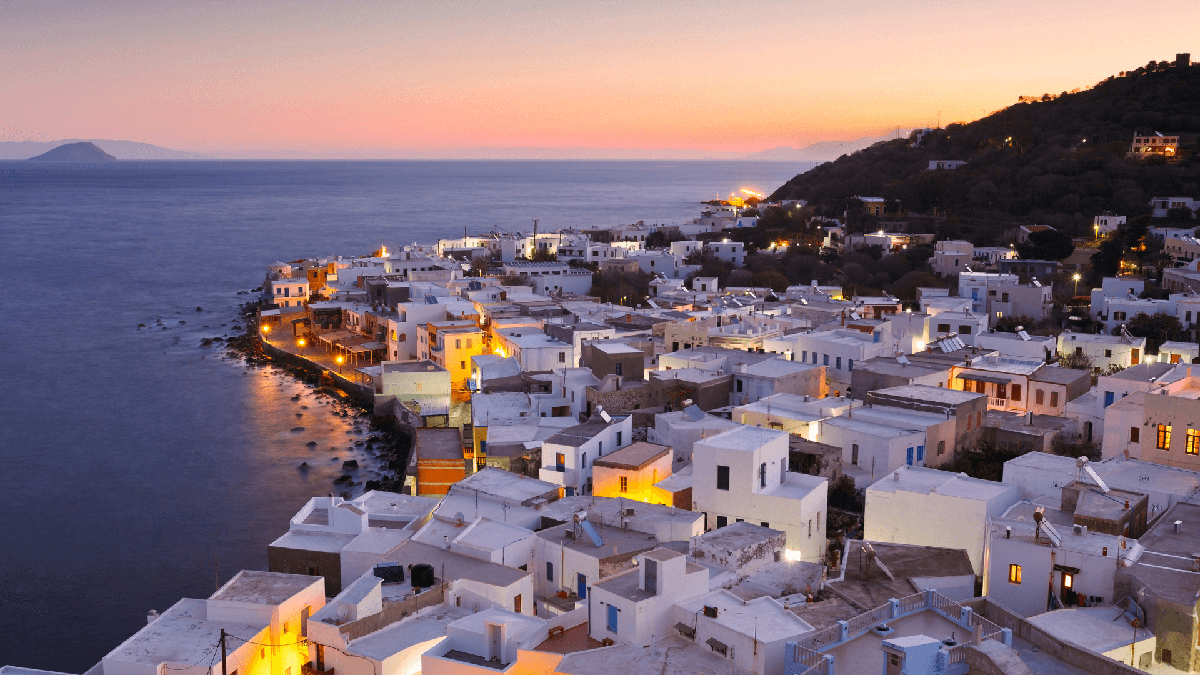
Day 3: Symi – Nisyros, 32 nautical miles
After about four hours of sailing, we reach Nisyros, a geological “one-of-a-kind” in the Greek islands, as it is the only Dodecanese island with an active volcano. This circular island is strategically located between Kos and Tilos, just a few miles from the Turkish coast. Mount Polyvotis, dominating the center, is the youngest and most exuberant volcano in the Aegean, with its last documented eruption in 1888. The landscape of Nisyros is a natural kaleidoscope: the dark gray volcanic soil contrasts beautifully with the white Cycladic houses, while the green hills blend with the blue sky and the deep blue Aegean Sea. The island is also surrounded by small islets such as Gyali, Pyrgousa, Pachia, and Strogyli, completing this fascinating volcanic archipelago.
Mandraki is the island’s main town and port. This charming traditional village spreads at the foot of a steep hill on the northwest side, offering the classic Greek island scenery with white houses, colorful wooden balconies, and cobblestone alleys in black-and-white patterns creating striking visual effects. Ilikiomeni Square is the local gathering spot, while tourists head to main attractions such as the Knights of Saint John Castle (1325) and Paleokastro, an ancient fortress from the 4th century BC built on the remains of the classical acropolis.
Other villages worth visiting include Mandraki itself, known for its unique architecture with white houses, tiled roofs, and colorful doors and windows; Emborios, a charming ghost village under restoration located on the edge of the caldera; and Pali, a picturesque fishing village on the northeast coast, developed around a natural bay serving as a landing for tourist boats.
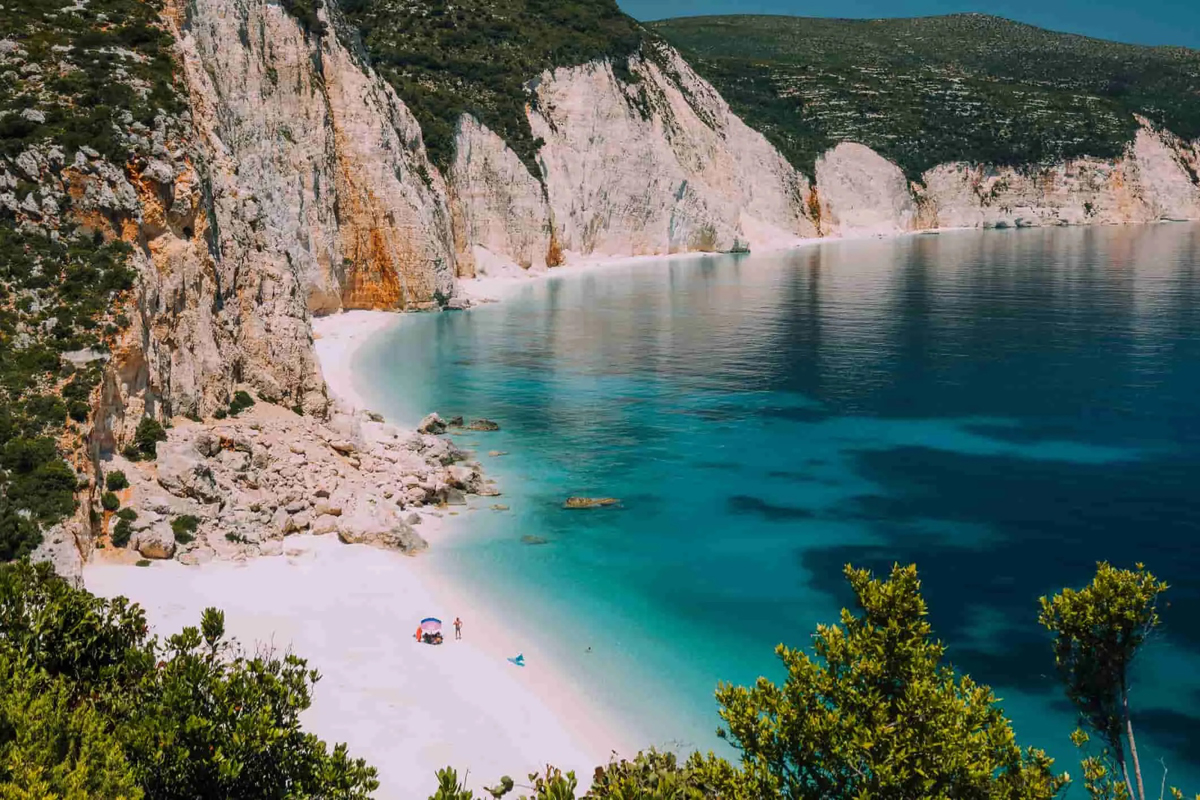
Day 4: Nisyros – Kos, 25 nautical miles
We set sail for Kos, the third-largest island of the Dodecanese, rich in millennia of history and golden beaches. Located just a few miles from the Turkish coast, this “island of Hippocrates” perfectly balances Greek tradition and Eastern influences. The Asklepieion, an ancient medical center dedicated to the cult of Asclepius, is the main attraction, with its three terraces offering panoramic views of the Turkish coast. The symbolic Plane Tree of Hippocrates marks the heart of the old town. Inland, the village of Zia on the slopes of Mount Dikeos offers spectacular sunsets and the famous Kanelada, a traditional cinnamon syrup. Mountain villages such as Pyli, Asfendiu, and Platani preserve authentic Greek life away from tourist routes.
Kos boasts golden sandy beaches and crystal-clear waters awarded with the Blue Flag. The northern coast, sheltered from the wind, is ideal for relaxing days, while the southern coast offers perfect conditions for windsurfing and kitesurfing. The most famous beaches include Paradise Beach in the Kefalos peninsula, with fine white sand and full facilities, and Tigaki, a 5-mile-long beach with gently sloping seabeds perfect for children. Therma Beach is known for its hot springs flowing directly into the sea. The eastern coast offers wilder beaches such as Camel Beach and Exotic Beach, accessible only by sea or via dirt paths, ideal for those seeking tranquility and unspoiled nature.
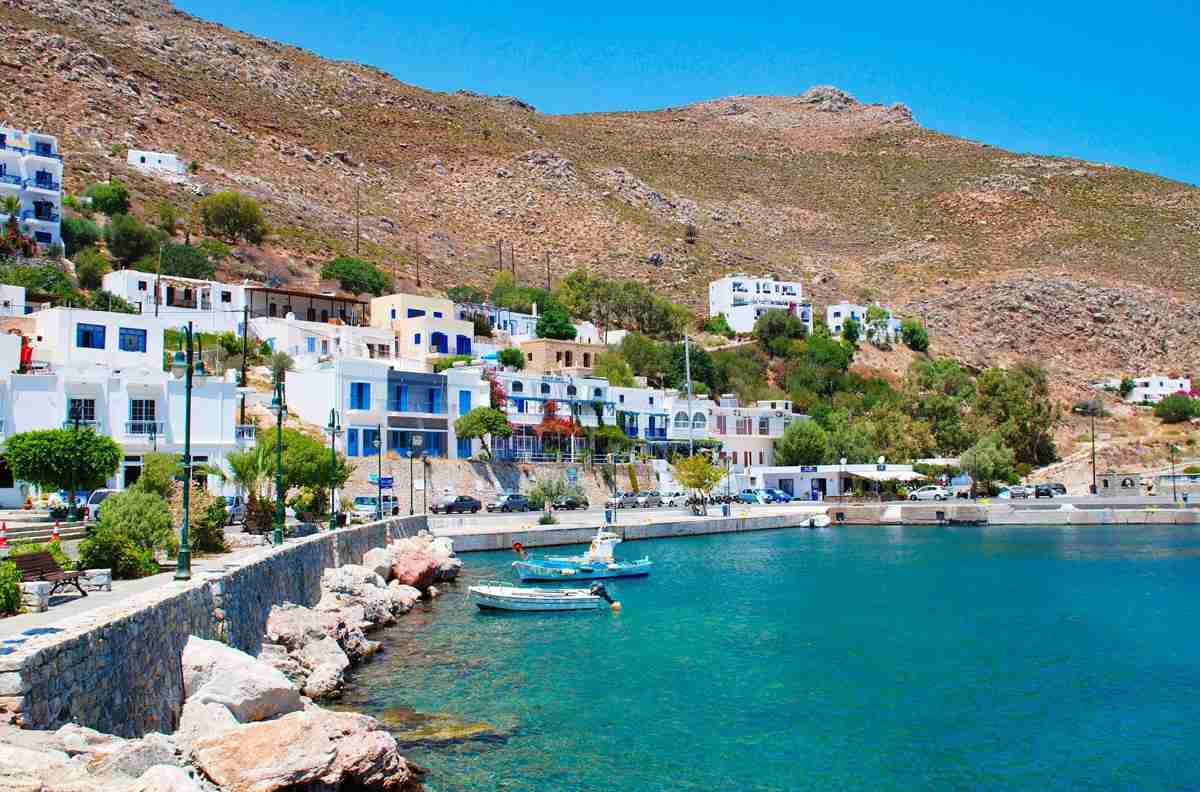
Day 5: Kos – Tilos, 35 nautical miles
Tilos is a hidden gem of the Dodecanese, strategically located between Rhodes and Kos. The island has about 750 inhabitants and is known for its ecological revolution: it became the first zero-energy island in the Mediterranean and the first in the world certified as zero-waste. Tilos boasts surprisingly lush landscapes compared to the arid nearby islands, thanks to numerous natural springs feeding fertile valleys. Its geological history is unique in Europe: around 45,000 years ago, the island hosted Europe’s last population of dwarf elephants, whose fossil remains today represent one of the most important paleontological discoveries in the Eastern Mediterranean.
Livadia is the heart of Tilos and the main landing point. This charming village lies in a green valley sheltered by mountains, offering a landscape completely different from the typical aridity of the Dodecanese. The waterfront stretches along a wide, sheltered bay, lined with a beach of white pebbles and crystal-clear waters. The town center preserves traditional architecture with white stone buildings and flowered balconies. Notable is the police and harbor master’s building, an example of early 20th-century Italian architecture, reflecting the period of Italian rule. Following the coast eastward, you reach the medieval harbor of Agios Stefanos, with its characteristic lighthouse and remains of fortifications.
Another interesting village is Megalo Chorio, perched on a hillside at 160 meters above sea level. It retains its historical charm, with traditional stone houses and narrow cobbled streets winding among gardens fragrant with basil and oregano. As for beaches, Eristos is the largest and most popular on Tilos. This stretch of coarse golden sand and colorful pebbles is embraced by an amphitheater of barren hills, creating a striking color contrast with the turquoise waters. The sunset from Eristos is considered one of the most spectacular in the Dodecanese. Other notable beaches include Red Beach (Kokkini), one of only three red sand beaches in Greece, ideal for snorkeling thanks to its clear waters and rich marine life; Lethra, a wilder long white-pebble beach on the eastern coast; and Livadia, located directly in the town center, the most accessible and well-equipped beach on the island.
Day 6: Tilos – Chalki, 24 nautical miles
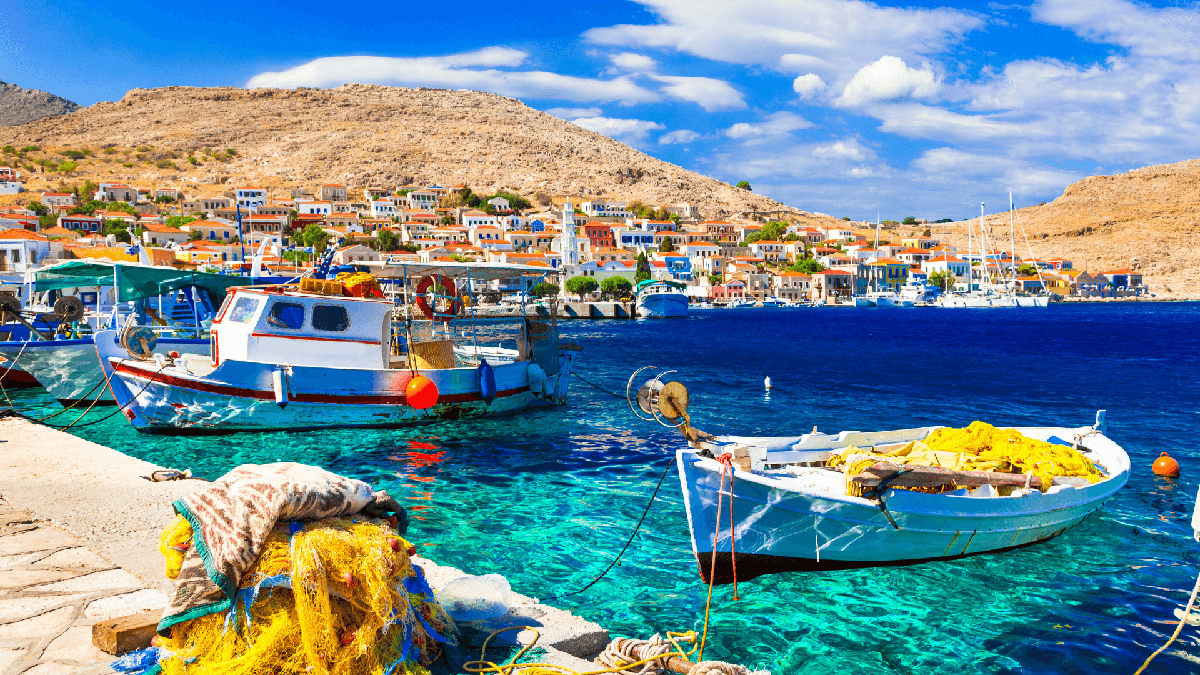
The final stop is Chalki, one of the most authentic pearls of the Dodecanese, located between Rhodes and Tilos. The island’s name derives from the Greek word chalkos (copper), referencing the ancient copper mines that once shaped the local economy. Chalki is elongated, arid, and mountainous, with Maistro Peak reaching 500 meters, creating a rugged yet fascinating landscape. Nimborio is the only true settlement, developing around the natural harbor that forms a sheltered basin of rare beauty. The fishing village features pastel-colored neoclassical buildings climbing the hillsides, forming a colorful amphitheater. Behind the houses stand the three windmills: Vassilakio, Aggelakio, and Andrikakio. The pedestrian waterfront is the heart of social life, with traditional tavernas, cafés, and small shops lining the quay where fishing boats dock.
The crystal-clear waters surrounding Chalki offer some of the most spectacular scenery in the Dodecanese. Pondamos is the island’s only sandy beach, just a 10-minute walk from the harbor. This coarse sand beach develops within a sheltered bay with shallow waters. Ftenagia is a small pebble cove facing turquoise waters. Kania is a small sandy inlet offering an intimate, secluded setting, with waters in countless shades of blue and a taverna serving delicious meals. Trachia and Areta are accessible exclusively by sea. Areta, considered the “Bay of the Cyclops” from Homeric legend, is surrounded by monolithic mountains reaching 400 meters, said to be the home of the Cyclops Polyphemus.
Day 7: Chalki – Rhodes (Rhodes Marina), 37 nautical miles
It’s time to return to our starting base after this immersive journey through the Dodecanese archipelago. With a sail of approximately 5 hours covering around 37 nautical miles, we head back to the Rhodes Marina on the island of Rhodes. We are confident that our experience among these wild islands, far from the more aggressive tourist routes, has allowed us to reconnect with the most authentic spirit of ancient Greece.
Discover the best boat rental deals in the Dodecanese
Photo credits opening image: ViaggiareSereni.com.

You May Also Like
Docking in a harbor: When is it worthwhile and how to do it best
Here’s why you should organize a sailing cruise in the Gulf of Poets