5 situations every skipper must know how to handle while cruising
Being a skipper is about more than just knowing how to steer a sailboat. It means being the point of reference for the crew—the person who remains calm in all conditions and makes quick, confident decisions. Whether it’s a summer cruise with friends or a demanding crossing, there are situations that every captain must be able to handle with technical competence and mental clarity.
In this guide, we analyze five real-world scenarios that put every skipper to the test, illustrating how to best manage them to ensure the safety and comfort of everyone on board.
Read also: How to build a dream crew for your sailing cruise
Discover the best boat rental deals
01 Reefing: The art of shortening sail at the right moment
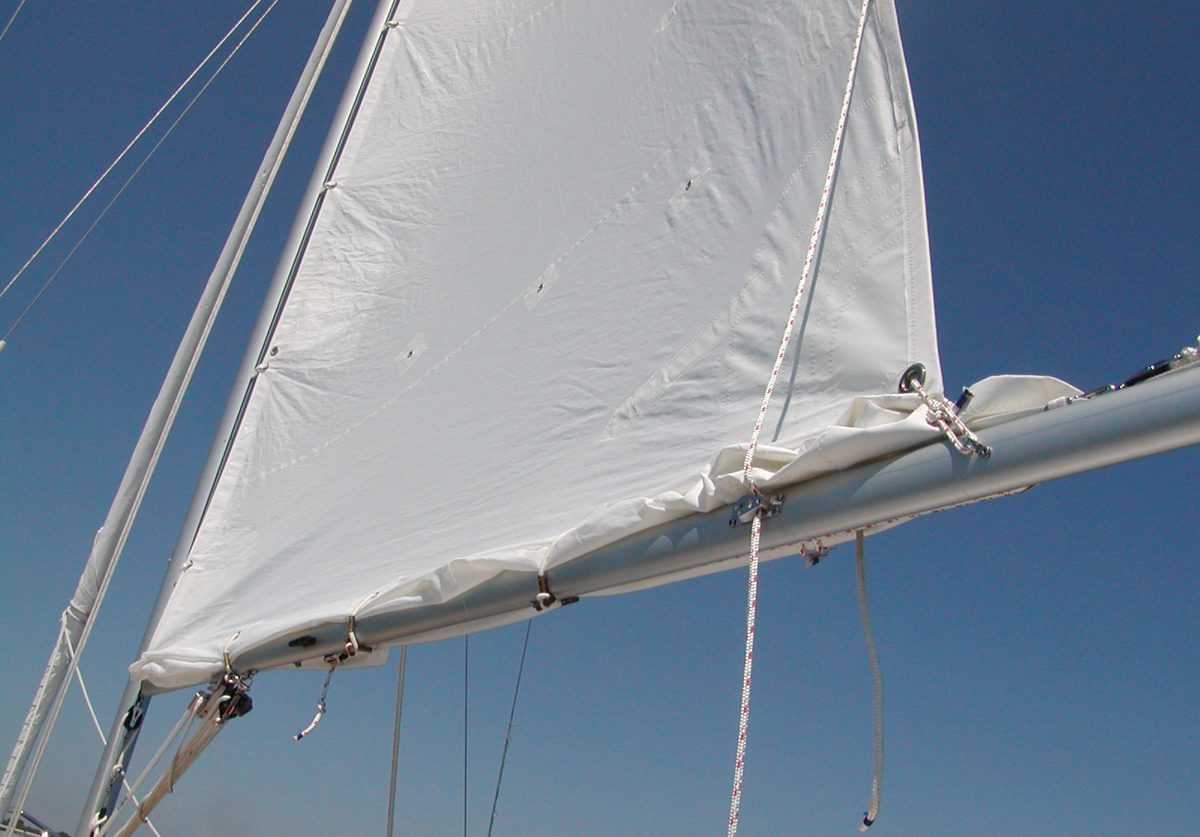
Reefing is one of the most critical maneuvers for safety while sailing. Taking a reef is not a sign of weakness, but of wisdom and an understanding of your vessel. The right time to reef the mainsail is when the boat begins to heel excessively, the helm becomes heavy, and the gunwale starts dipping toward the water. Continuing to sail in these conditions is not only uncomfortable for the crew but also subjects the rigging and sails to unnecessary stress.
How to proceed:
- Prepare for the maneuver in good time, before the wind increases too much.
- Head onto a reach or a broad reach to reduce pressure on the sail plan.
- Ease the sheets slightly and proceed to reef the mainsail, ensuring the reefing lines are properly secured.
- After the maneuver, check the balance between the jib and the mainsail: a well-balanced boat is both safer and faster.
Remember: The best skipper is the one who reefs early, not late. At sea, prudence always pays off.
02 Leaving the mooring in strong winds
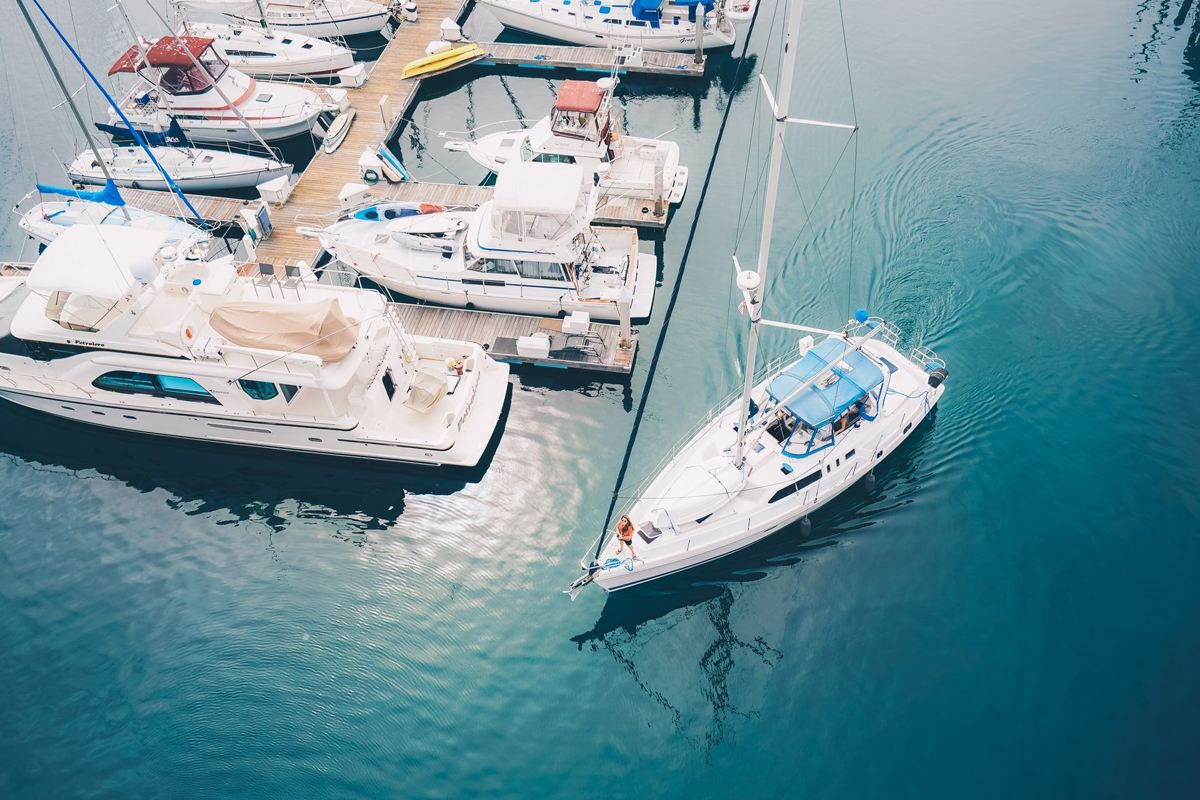
Departing from the harbor is one of the most delicate moments of a cruise, especially with a stiff crosswind. Nearby boats, taut lines, and limited maneuverability at low speeds can turn a routine maneuver into a risky episode. The key is to maintain control and make effective use of the engine.
How to proceed:
- Keep the windward line on a bight (doubled back to the boat) and engage forward gear with a slight touch of the throttle.
- Release the leeward line: the boat will stay aligned, held only by the windward line but kept in position by the engine’s tension.
- When you are ready, slowly let the windward line slip, hauling it back on board as the boat moves smoothly away from the dock.
In this maneuver, timing and communication with the crew are fundamental. It is vital that the person at the bow and the person at the helm understand each other instantly, perhaps by establishing simple, clear signals before starting.
A valuable tip: If possible, always observe how the boats ahead of you maneuver. Understanding how the wind reacts within the harbor will help you anticipate any difficulties.
03 Weather deterioration at anchor
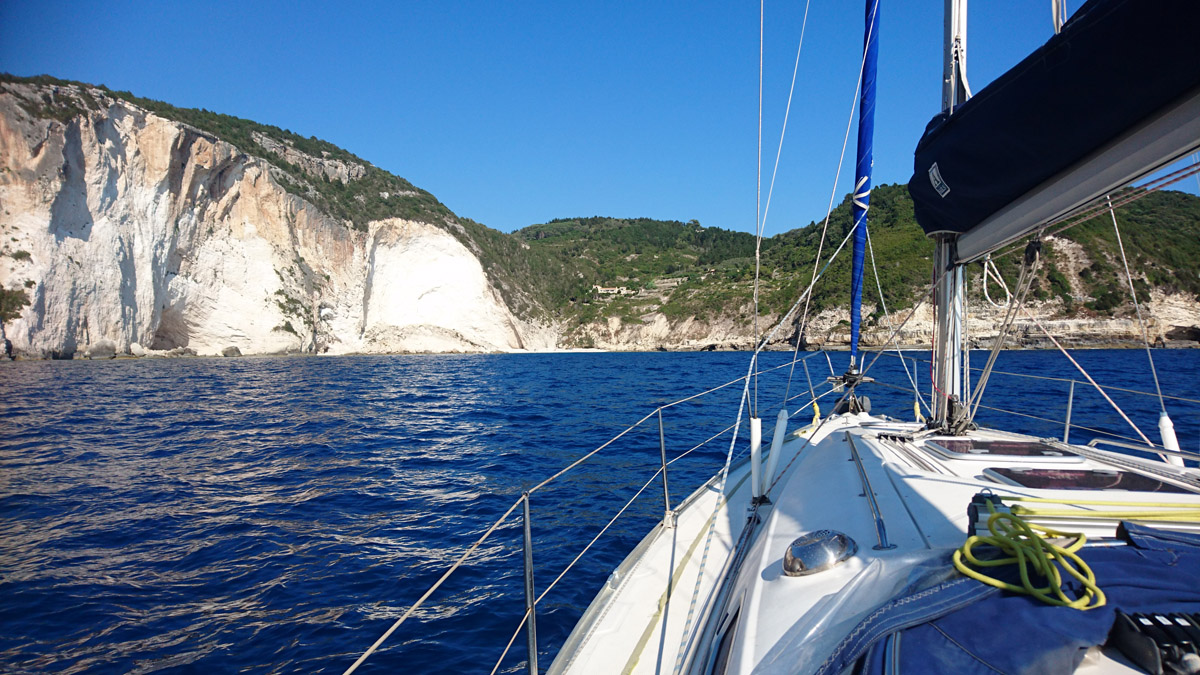
Being at anchor is one of the most pleasant moments of a cruise, but it can quickly turn into a complex situation if the weather changes. A sudden increase in wind or a shift in direction can challenge even the sturdiest of anchorages.
What to do when strong winds are expected with minimal swell:
- Pay out as much chain as possible, ensuring a scope of at least 5:1 (ratio of length to depth).
- Secure the awnings and biminis with extra lines and lash the jib tightly on the furler to prevent accidental unfurling.
- Bring the dinghy on board and secure it with multiple lashings: a loose tender can become a serious hazard.
- Stow or lash down all deck items—SUP boards, jerry cans, lines—everything must be tightened down.
- If the boat has a kedge or spare anchor, it may be useful to deploy it in tandem with the main anchor to increase holding power.
At anchor, proactive preparation is everything. Don’t wait for the wind to start howling through the shrouds: act in advance so you can face the deteriorating conditions safely—and perhaps even enjoy the spectacle of the gale with a hot cup of coffee in hand.
04 Managing crew panic on board
Psychology at sea is just as important as technical skill. A frightened crew can become a liability, even if the conditions aren’t actually dangerous. A good skipper recognizes the signs of tension and intervenes before panic spreads.
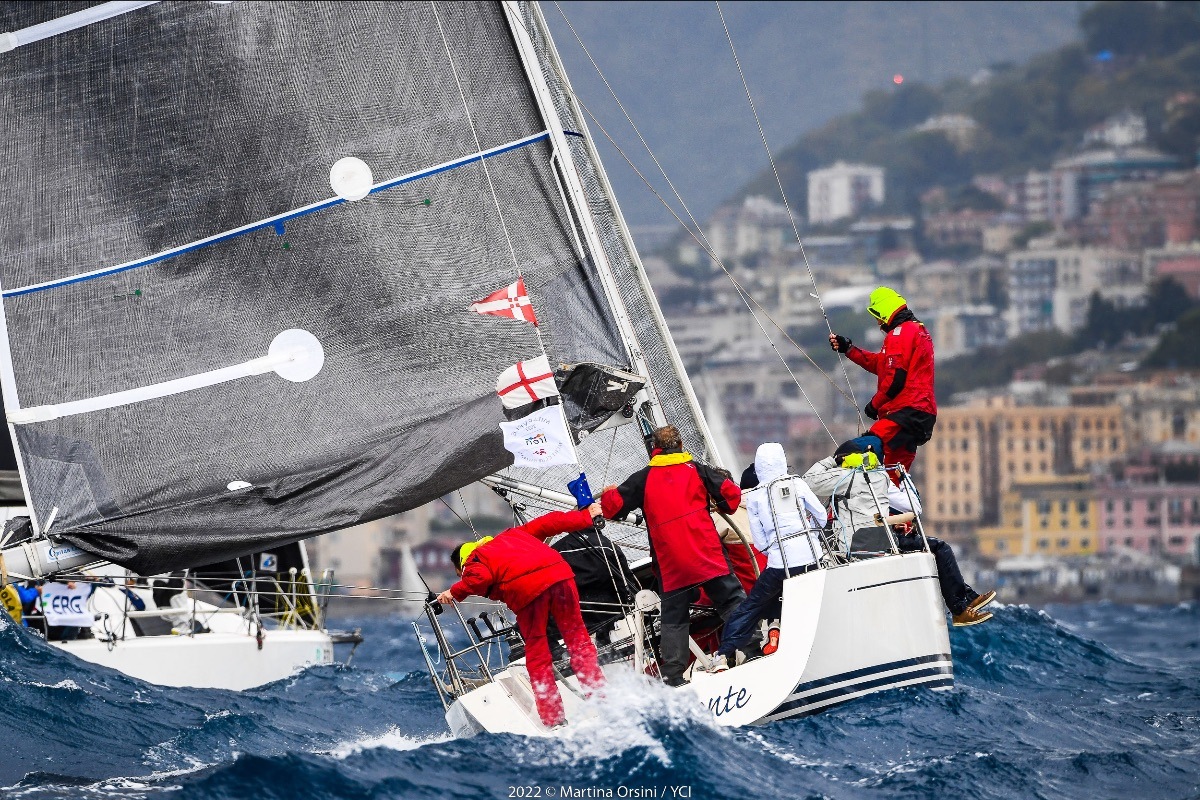
Typical scenario: You are sailing close-hauled in 20–22 knots of wind. The boat is moving fast and heeling over, spray is flying into the cockpit, and the wind is whistling. Some crew members begin to tense up, others go silent, and some grip the rails with worried expressions.
The Solution:
Ease the jib and mainsail and gradually bear away until you are on a broad reach. Explain to the crew what you are doing and why: “We’re reducing the pressure so the boat stabilizes and the apparent wind decreases.” The noise will drop, the boat will stop heeling, and the waves will appear much less menacing.
Once the tension subsides, the skipper can calmly explain that their perception of the wind was amplified by the boat’s speed. This doesn’t just reassure them; it educates them, turning a moment of fear into a learning opportunity for the crew.
Leadership at sea is measured not only by technical expertise but also by the ability to project serenity and confidence.
05 Dealing with a squall while cruising
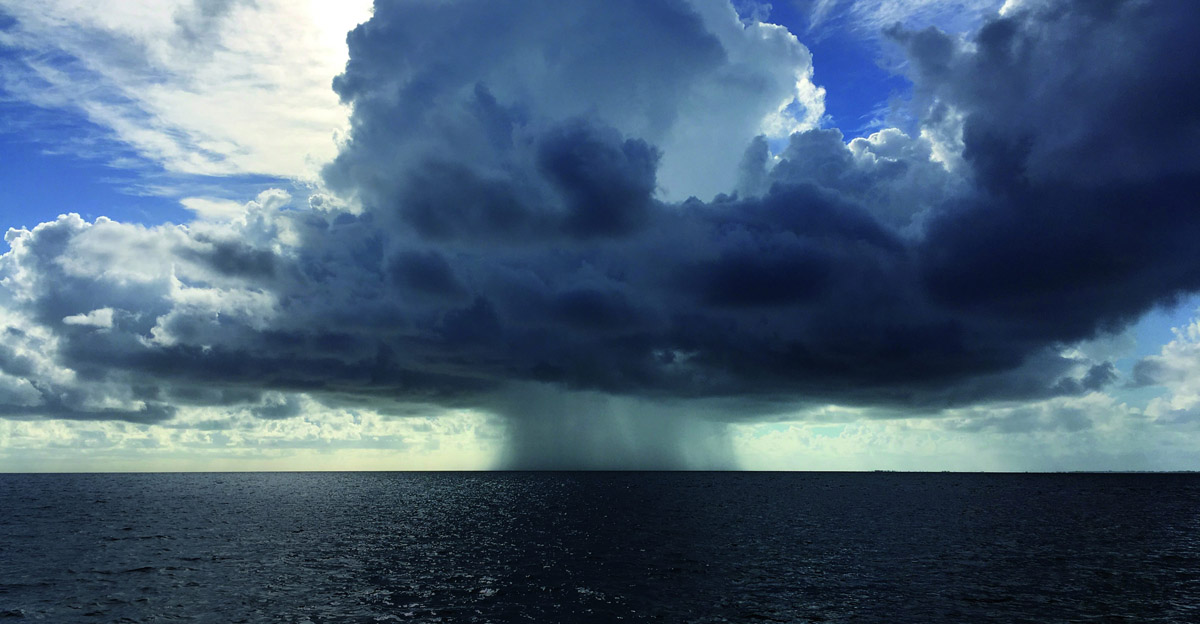
Few meteorological phenomena are as impressive as a squall. Seeing a cumulonimbus cloud descend over the water during a cruise, with dark pillars of rain and wind suddenly funneling in, can intimidate even the most experienced skippers. But with the right preparation, there is no reason to fear.
Before the squall arrives:
- Lower the sails, stow everything on deck, and close all hatches and the companionway.
- If you are towing the dinghy, bring it on board and secure it tightly.
- Have everyone put on foul weather gear, boat shoes, and safety harnesses.
- Start the engine and keep it ready—preferably in neutral but fully operational
- When the squall hits, the wind can shift abruptly, and gusts may strike from above. The impact generally lasts only a few minutes: after the intense rain and noise, the wind drops almost as suddenly as it arrived.
The secret is to avoid being caught off guard. A squall is not a hurricane, but a quick and powerful discharge of atmospheric energy. With the boat in order and the crew protected, it will pass without consequence.
For a safe cruise
Being a skipper means facing the unexpected with method, knowledge, and calm. The five situations described—from reefing to squalls—represent just a few of the challenges every captain will eventually encounter. Learning to recognize and manage them with clarity is what distinguishes someone who “drives a boat” from someone who truly commands the sea.
A good skipper is not born of luck or audacity, but of experience, observation, and respect for the marine environment. After all, as an old sailors’ proverb says: “The sea is never against you. It only tests you to see if you deserve to stay afloat.”
Photo credits immagine apertura: North Sails.

You May Also Like

Here’s why one should organize a sailing cruise in Spain
How to avoid damage, tears, and other breakages to the genoa sail