Carefree sailing: A guide to difficult anchorages
Difficult anchorages. During a sailing cruise, knowing how to identify a good anchorage when dropping anchor for a stop means you’re already halfway there. Usually, the best sheltered spots along a particular stretch of coast are listed in nautical guides and pilot books, but you shouldn’t rely solely on that information.
The key elements to consider when assessing an anchorage’s suitability are: the type of shelter, the nature of the seabed, water depth, and the boat’s swing radius (also known as “rode circle”). Let’s take a closer look at each of these points in this guide to difficult anchorages.
Type of shelter
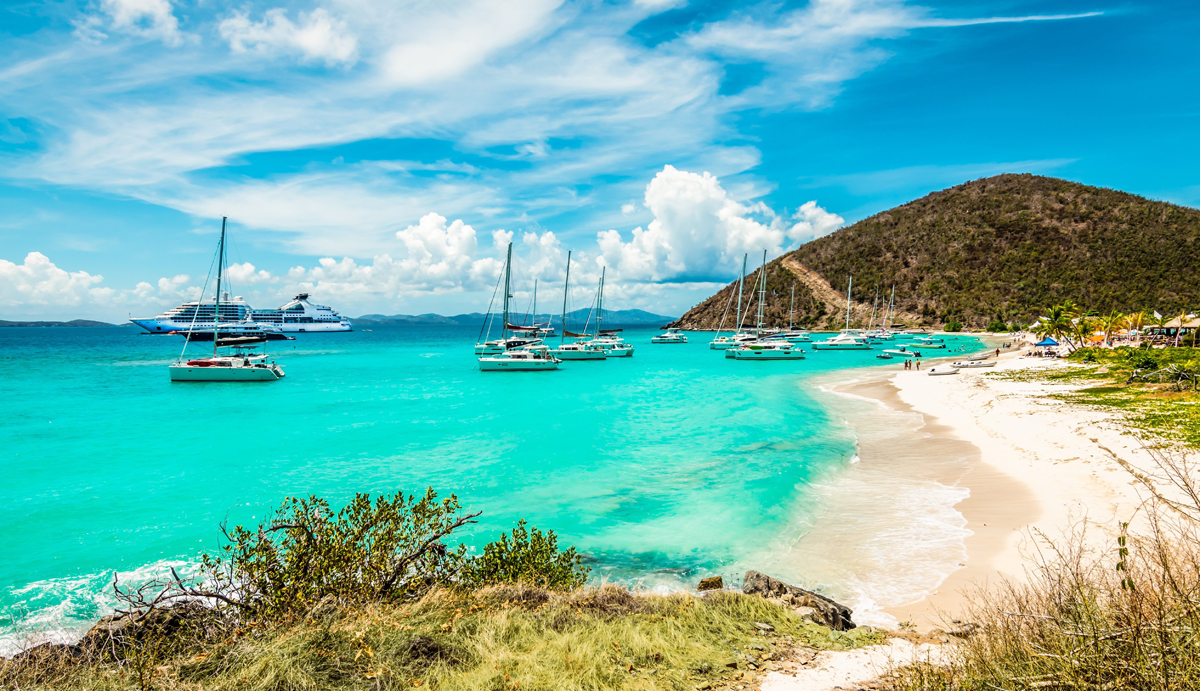
For exposed anchorages, it’s essential to have an offshore breeze throughout your stay, as well as protection from waves and swells. Check the forecasts to ensure there are no sudden wind shifts that could turn a secluded cove into a dangerous leeward coast. Also, keep in mind that the character of anchorages affected by tides can change during their cycle. In addition to current changes, protective features may also vary, such as rocky outcrops that can form natural breakwaters and shelters.
Nature of the seabed
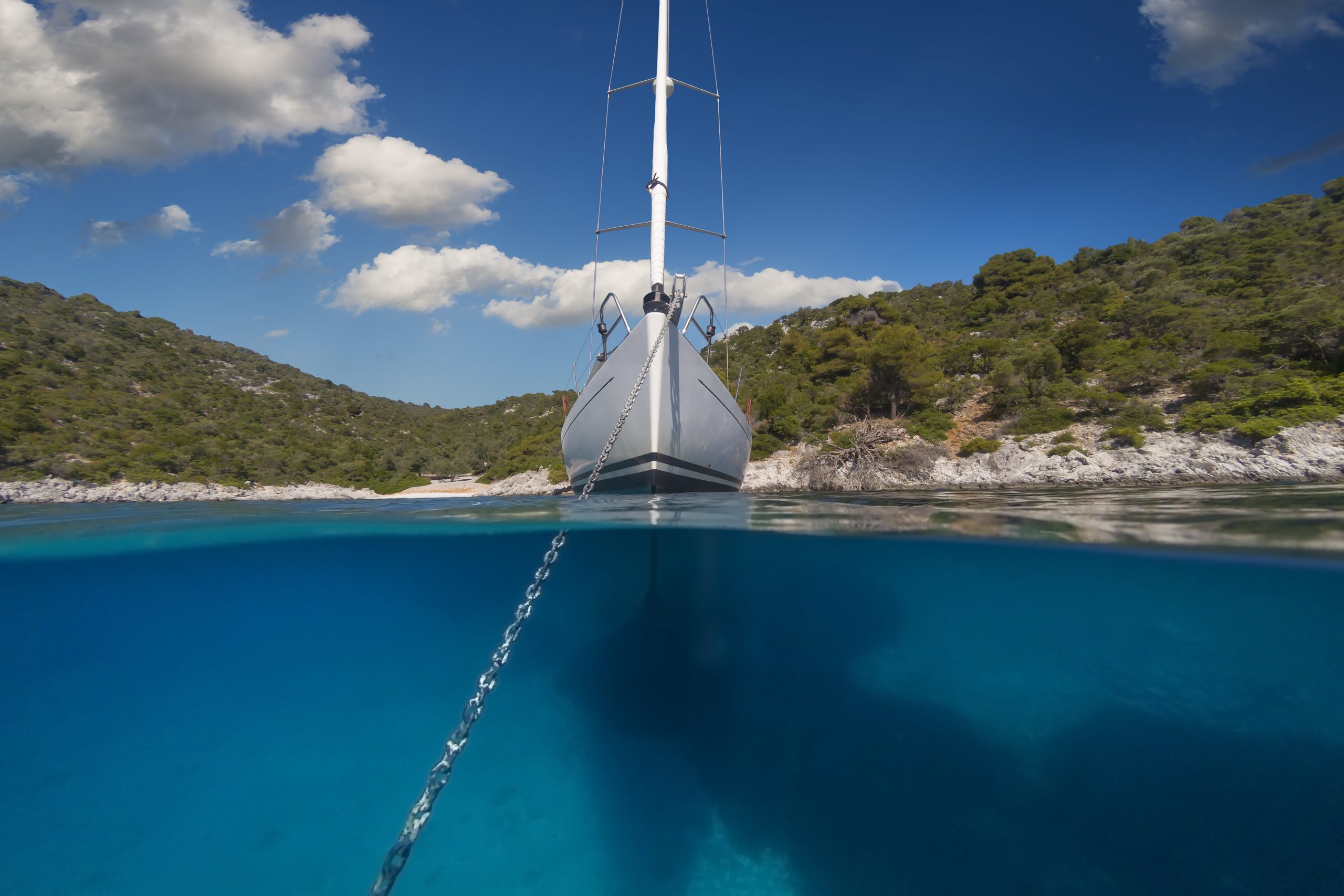
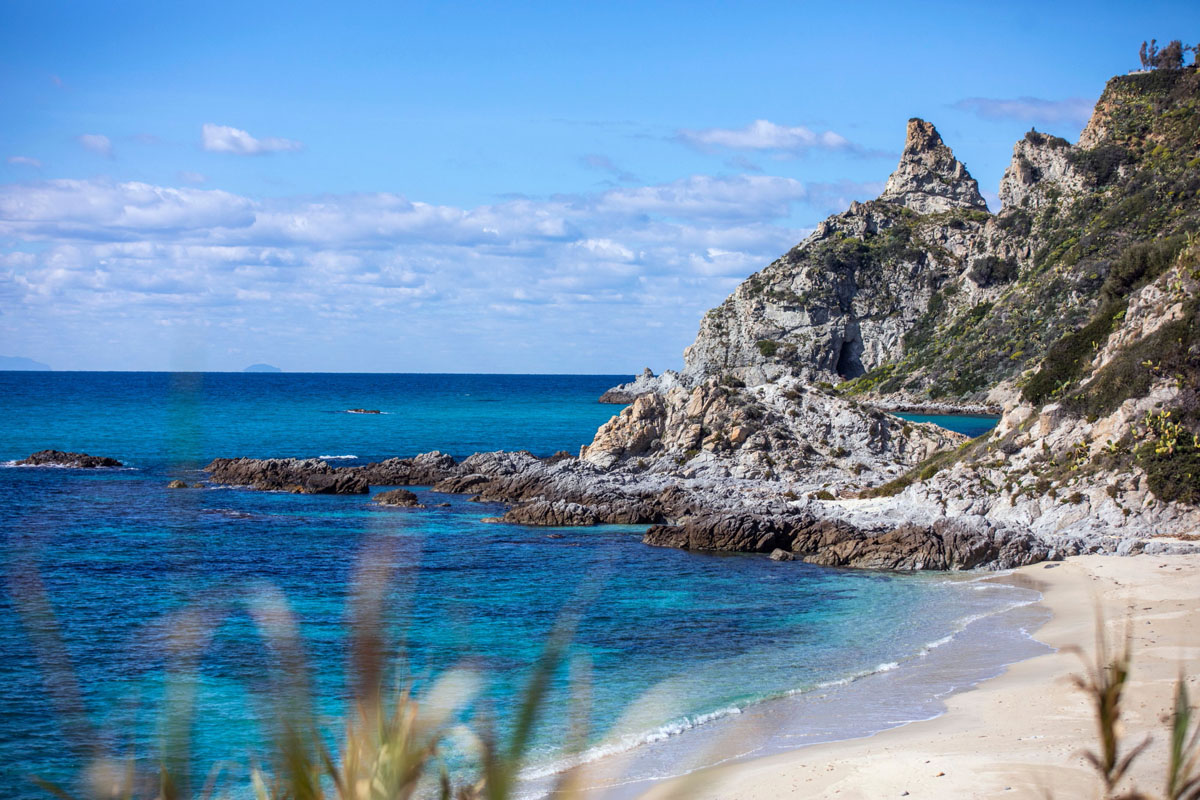
Sand and mud provide the best holding, as long as they are not too soft. Algae and rocks, on the other hand, should be avoided. The visible coastline can indicate what lies beneath the surface. Rocky outcrops along the shore may extend into the sea, as can the sandy areas between them, so try to position yourself in those lighter zones. Keep in mind that sand reflects more light than algae or rocks, so drop anchor in these brighter areas.
Satellite views on Google Maps can also be invaluable: save screenshots of potential anchorages on your phone or tablet before departure. Smooth contours suggest sand, while rocky seabeds appear more irregular. During a tidal cycle, you will encounter three different conditions: flood, ebb, and slack water. Therefore, your anchor’s position must take all three into account.
Water depth
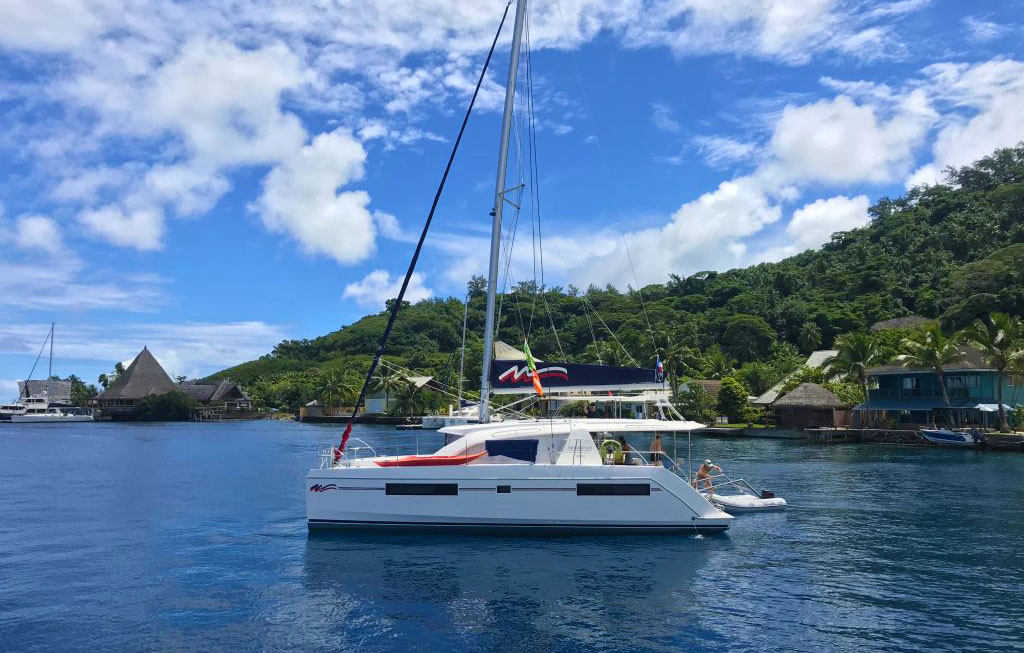
Consider both high and low water. The length of the chain and rode you carry limits the depth at which you can successfully anchor. How much chain should you let out? In the absence of wind or with moderate wind, multiply the water depth by three and let out that length of chain. If the sea is slightly choppy or the wind is increasing, it’s better to let out chain equal to five times the depth. In strong winds and rough seas, the ratio rises to 7:1. A good rule of thumb is to use the appropriate anchor for the seabed type and, above all, to avoid anchoring in waters that are too deep. If the anchor becomes stuck between rocks, freeing it can be challenging for the crew. To prevent problems, an anchor buoy can be used, and it’s always advisable to have a mask and snorkel on board for emergency interventions.
Boat swing
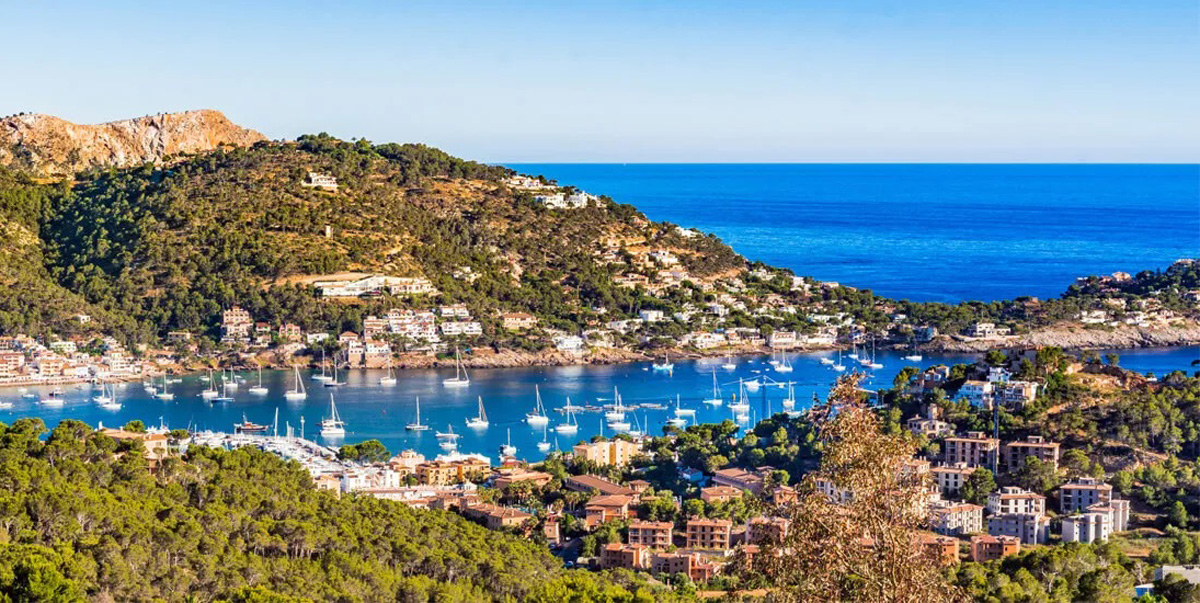
Finally, it’s necessary to consider the boat’s swing radius, also known as the “rode circle.” This is the arc the boat describes around the anchor point due to wind, currents, and waves. Calculating this space correctly is crucial to avoid collisions with other boats or the shore. Keep in mind that the longer the anchor chain (rode), the larger the swing radius. In deeper waters, more chain is needed to ensure a good holding angle for the anchor, which increases the swing radius. Stronger winds increase the force acting on the boat, amplifying its movement and the rode circle. Currents can also deflect the boat’s trajectory, further influencing the swing area.
The presence of other anchored boats nearby can limit swing space and requires greater attention to safe distances. To calculate the swing radius, sum the length of the chain and the length of the boat.


You May Also Like
Regions of Croatia every sailor would love to visit
Strong winds ahead: How to steer through with confidence