How to handle the most common boat engine failures
Sailing on a cruise can sometimes present unexpected problems, such as the engine shutting down, producing smoke, or losing RPM, perhaps when entering or leaving a port. This article aims to provide a practical and accessible guide to solving the most common engine failures on a sailing boat, allowing you to handle emergency situations and get back underway safely.
Discover the best boat rental deals
Read also: Sailing without an engine: How to get home in case of a breakdown
Bleeding diesel: removing air from the fuel system
A frequent problem is the presence of air in the diesel circuit. This can happen after replacing a filter, running out of fuel, or performing work on the fuel line. Air prevents the pump from drawing fuel and sending it to the injection pump, blocking the engine start. The solution is to bleed the diesel system. Typically, this involves locating the bleed screw or, on mechanically injected engines, loosening a fuel fitting on an injector. By operating the manual pump (always present on diesel engines), you force the air out of the system until a steady flow of fuel is observed. Closing the valve or fitting restores the proper function of the fuel circuit.
Important: The location of the pump and bleed valves varies depending on the engine model. Consult the user and maintenance manual or, even better, ask your trusted mechanic during seasonal maintenance.
Diesel filters: preventing clogs and power loss
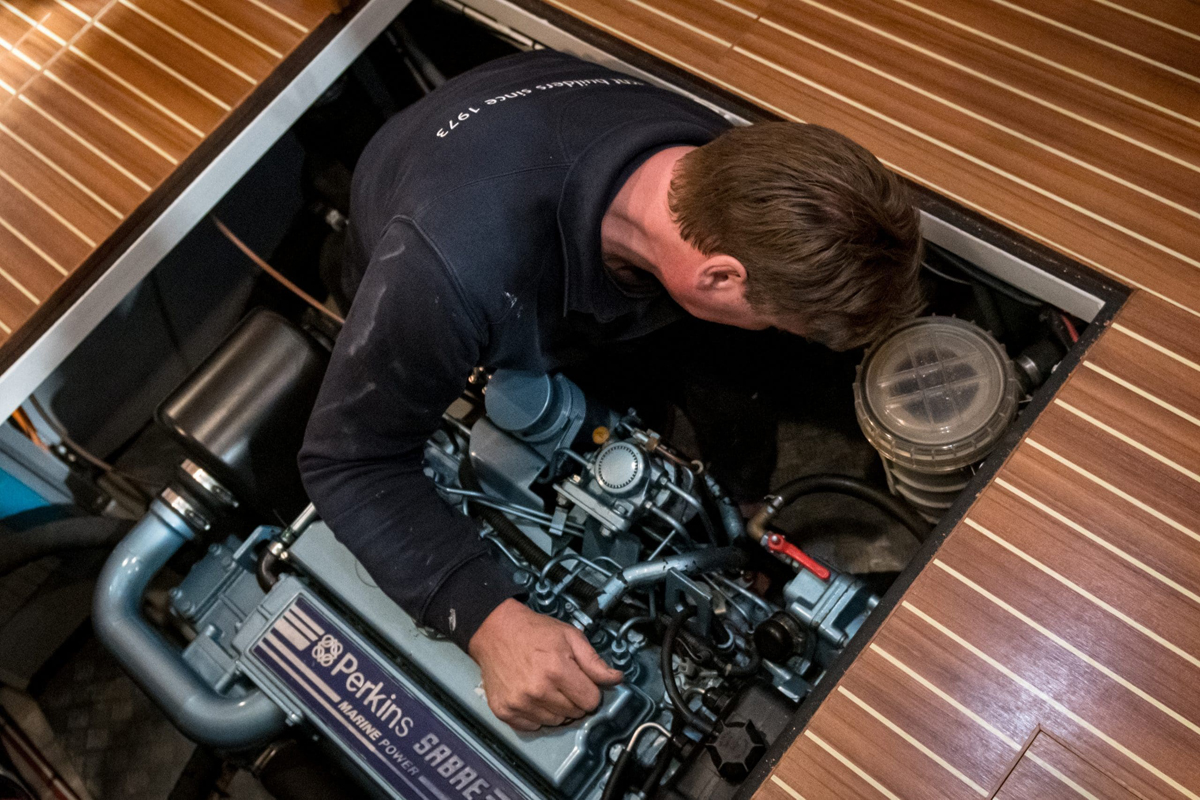
The quality of modern diesel, often contaminated with sludge, fungi, or impurities, can cause filter blockages, leading to power loss or engine or generator shutdown. A vacuum gauge installed on the pre-filters can indicate excessive suction resistance, signaling an impending clog. To replace the filters, close the tank valves and remove the diesel pre-filter, usually by opening a “T” element. Inspect the filter to check for actual cartridge blockage. Empty the lower bowl, which separates water from diesel, and ensure that fuel flow is regular.
Make sure there are no leaks in the circuit, that fittings are properly tightened, and that valves are in the correct position. Insert a new cartridge (matching the original filter specifications) and attempt to start the engine. If the problem persists, check and replace the diesel filter mounted directly on the engine.
Engine won’t start: starter motor issues
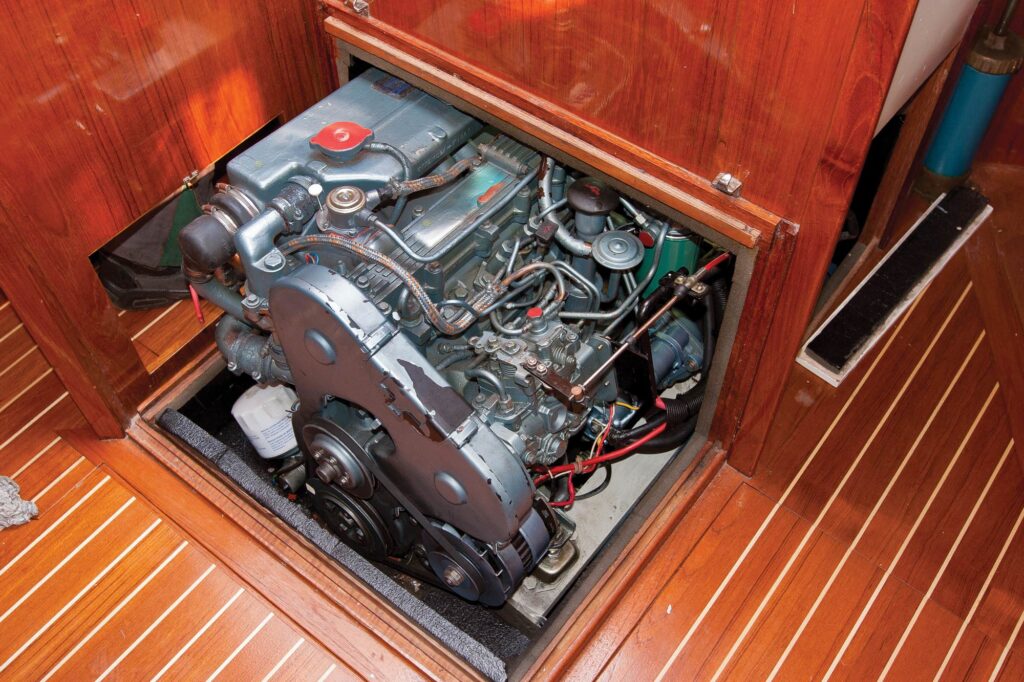
Failure to start the engine, whether the main engine or generator, may be caused by a problem with the starter motor solenoid. In such cases, try gently tapping the solenoid with a rubber mallet. If this does not work, with the ignition on and using an insulated screwdriver, you can attempt to bypass the solenoid by connecting the two larger terminals. This procedure can generate sparks, so it is recommended to perform it the first time with a technician’s assistance.
Alternator: fixing battery charging problems
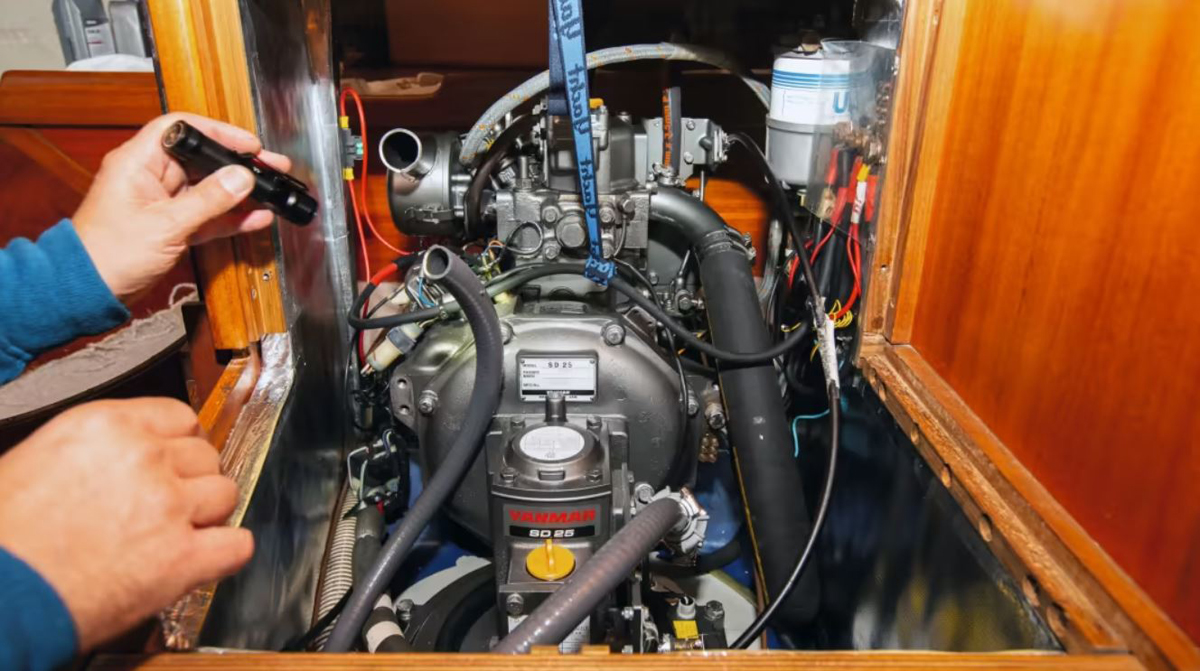
A voltmeter reading below 13.8–14 volts with the engine running indicates a problem with the alternator, which is not charging the batteries correctly. On a twin-engine boat, you can temporarily solve the problem by activating parallel mode, allowing a single alternator to charge all batteries. However, an immediate inspection in the engine room is essential.
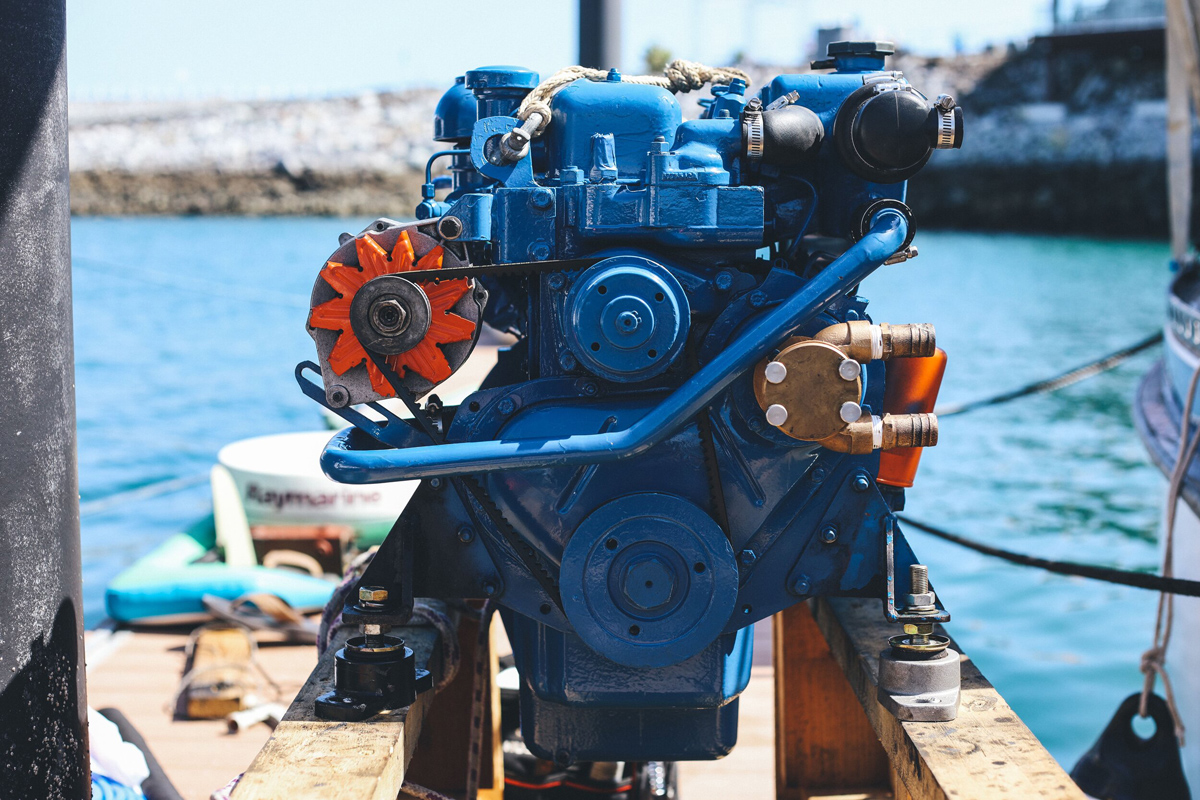
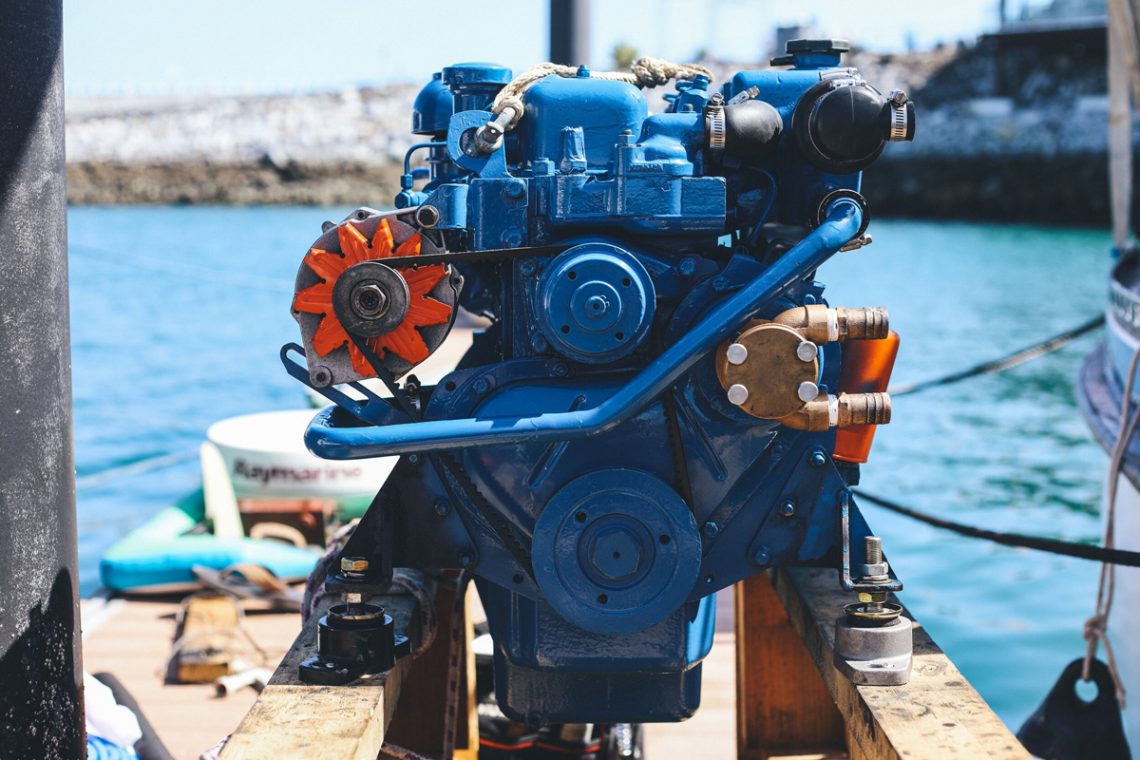
First, check the condition of the alternator belt, which often also drives the seawater pump. A broken belt risks engine overheating. If the belt is intact, check its tension and ensure it rotates the alternator pulley properly. To adjust the belt, loosen the alternator pivot bolt and move the alternator until the desired tension is achieved. Finally, retighten all bolts.
If the problem persists, inspect the wiring and clean the contacts both near the alternator and the battery. If these checks do not solve the issue, the fault is likely inside the alternator or voltage regulator. In this case, it is advisable to remove the alternator and take it to an automotive electrician for repair or replacement. Often, a new alternator is more economical and reliable than a full overhaul of the old one.


You May Also Like

Sailing among the beauties of the Tuscan Archipelago
How to manage anxiety, fear, and panic while on a boat