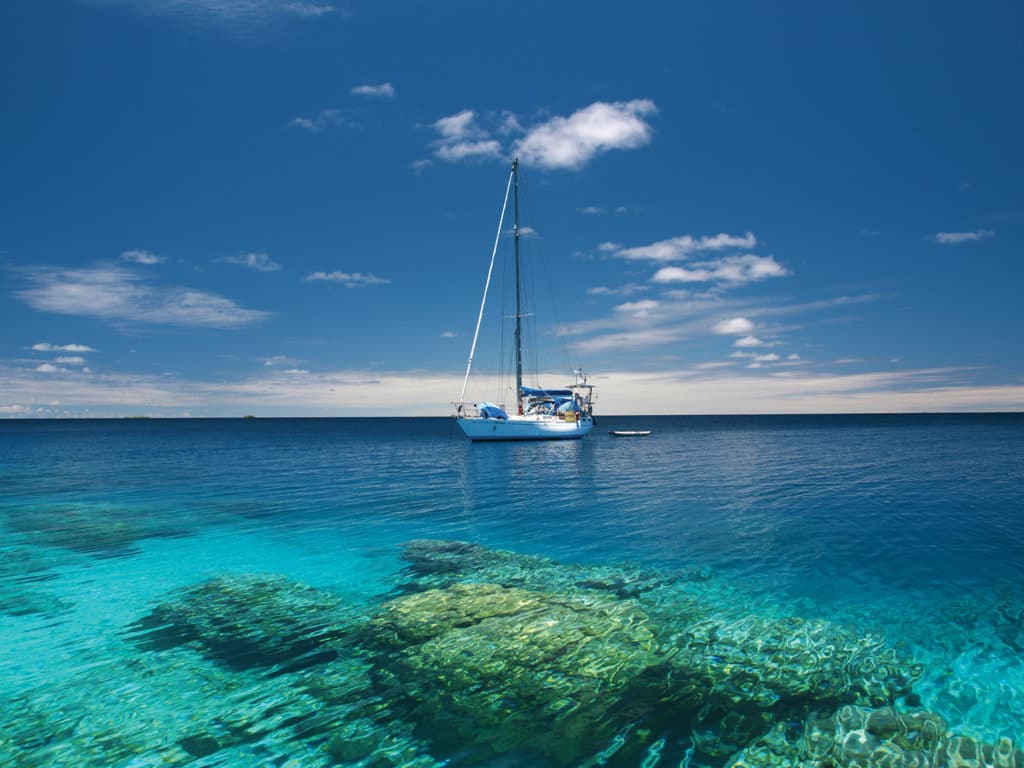
Low tide pitfalls: A guide to sailing without running aground
Venturing into low tide areas is a challenge that requires preparation and caution. Here are the strategies for planning your route, managing risks, and getting yourself out of trouble, so you can enjoy sailing without unpleasant “touches.”
Cruises and low tide. Sailing is an invaluable experience, but venturing into shallow waters during a coastal cruise can quickly turn into a nightmare. The possibility of finding your keel stuck on the seabed is a real risk, especially in unfamiliar areas.
With the right planning and a bit of cunning, however, it is possible to enjoy sailing even where the water gets shallower, avoiding being stranded like beached whales.
Read also: Carefree sailing: A guide to difficult anchorages
Discover the best boat rental deals
Navigational tools and charts: Valuable companions
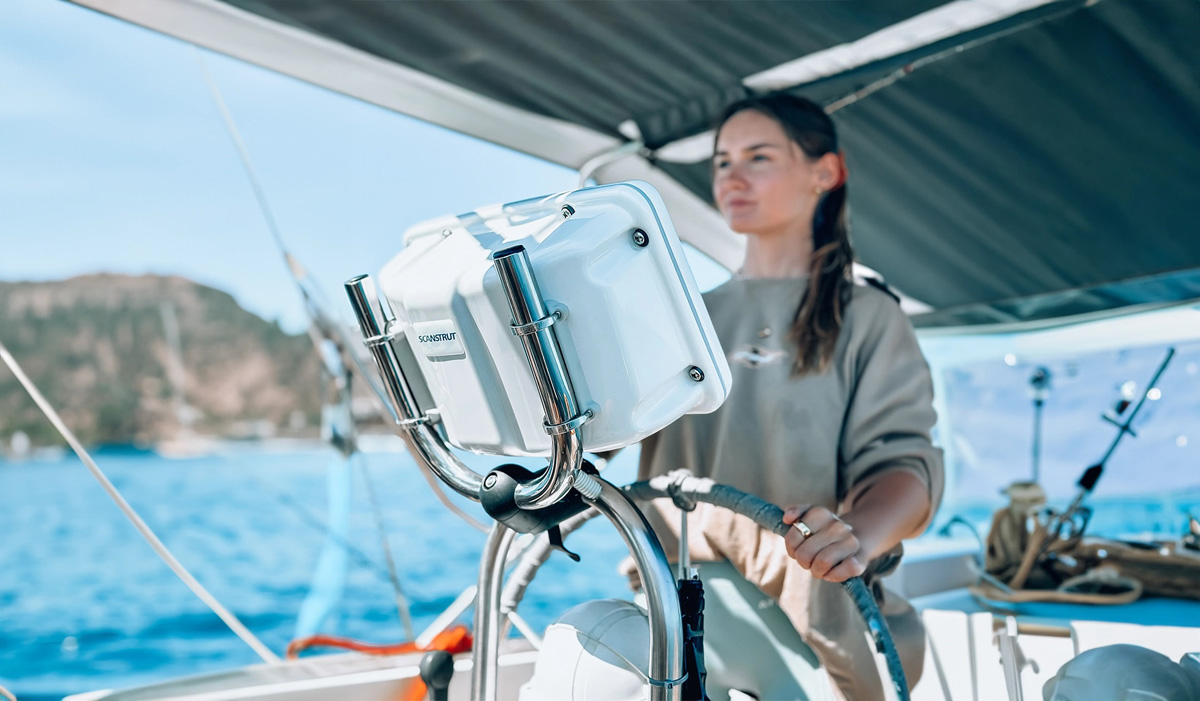
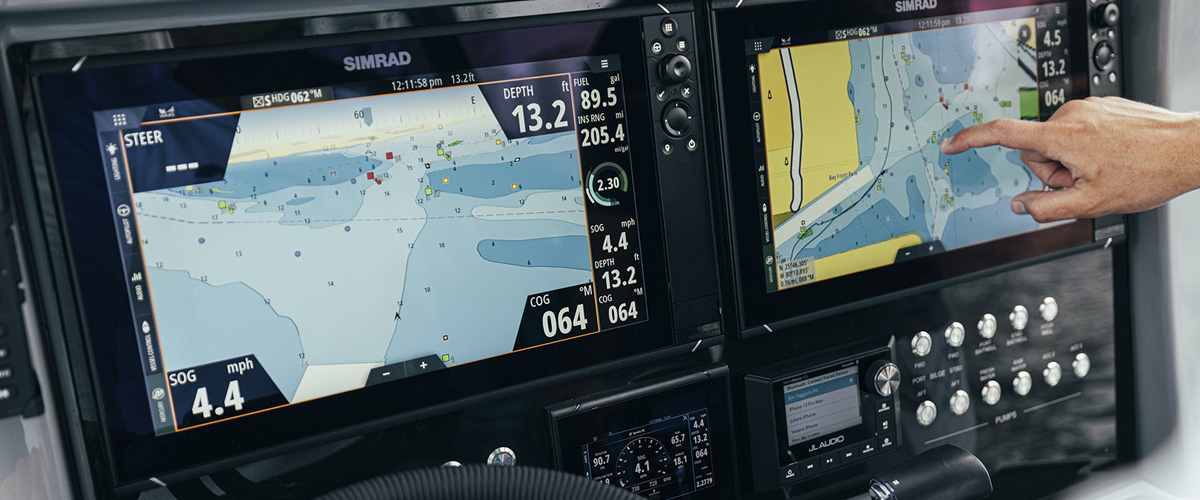
Before you rush off to explore lagoons and channels, make sure you have the right arsenal on board. First, a detailed nautical chart of the area is essential, preferably large-scale so as not to miss even the smallest rock. Then, rely on a good depth sounder, both manual and electronic, to keep an eye on the depth. A plotter, a reliable compass, and an updated tide table will complete your equipment. Don’t forget a spare anchor, lighter and more manageable, a tender for close inspections, and, in case of emergency, a shovel to free an imprisoned keel.
Planning is prevention: Mapping the dangers
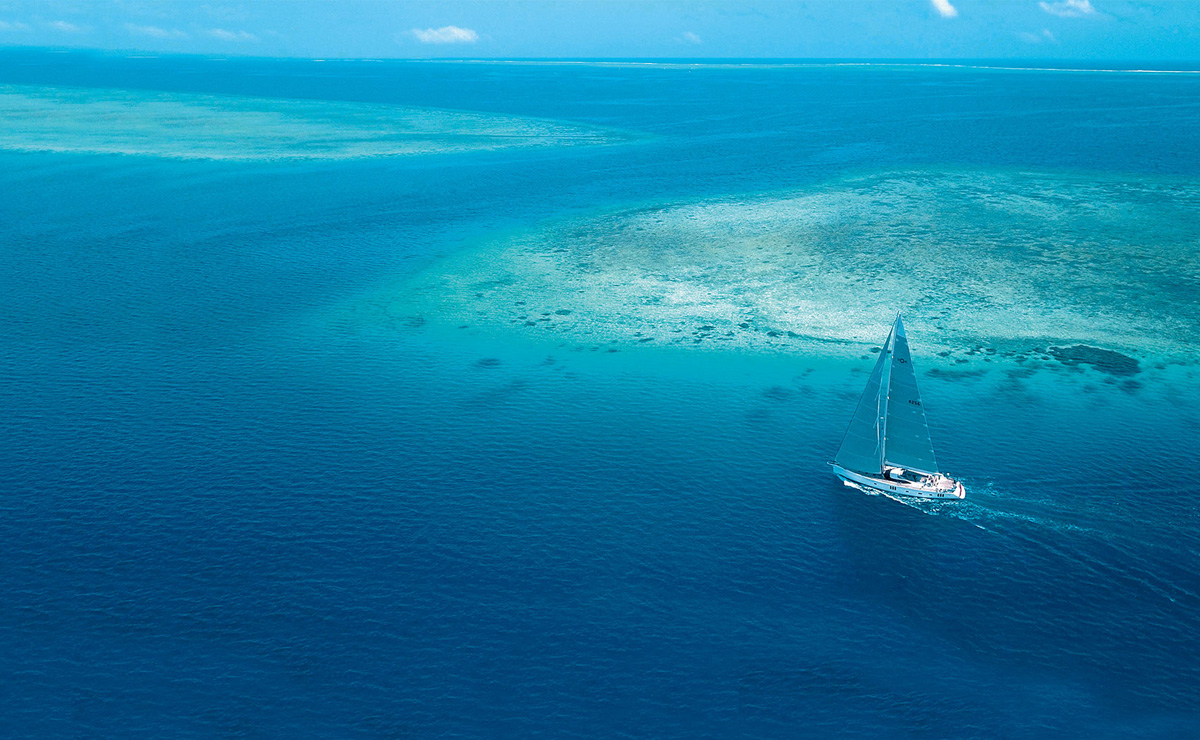
Preparation is key. Identify all potential threats on the nautical chart: shoals, areas subject to tidal variations, and anything that might be hiding below the surface. Protect your chart in a waterproof case or transfer the key information to the plotter. Evaluate the nature of the seabed: sand and mud are less risky than rocks and corals, which can seriously damage the hull.
Alert crew: Teamwork
Before entering a risky low tide zone, get organized. Assign specific tasks to each crew member: the helmsman follows the route, another checks the depth sounder, and a third acts as a lookout at the bow. Communication is fundamental. Slow down your speed: 2-3 knots is more than enough for safe exploration.
Do not assume that the actual depth corresponds exactly to that indicated on the chart: currents can modify the seabed. Gauge the water with a pole or a lead line tied to a rope. Look for the deepest point and stay on its sides, ready to tack in case of danger. If the wind is strong, try to stay upwind of the shoals, to have more room for maneuver. And be prepared to “touch” the seabed from time to time, but always gently. If you run aground, immediately try to figure out where the deeper water is.
Quick refloating: Techniques for getting free
The low tide pitfalls. If the grounding is slight, try to free yourself by heeling the boat over, shifting the crew’s weight onto the shrouds, or hoisting and lowering the sails. If you are sure there is enough water, you can also try pushing the boat by hand. In more serious cases, use the bow anchor: take it out into deep water with the tender and pull the boat out of trouble.
Attention to detail: Algae, propellers, and engines
Sailing at low tide. Keep an eye out for algae and ropes, which might get tangled in the propeller. Check the engine temperature to avoid overheating caused by debris intake. In short, venturing into shallow waters can be risky, but sometimes it is the only way to reach hidden bays and admire the beauty of nature. The important thing is to be prepared, act cautiously, and never underestimate the dangers.
Remember to have emergency numbers at hand, sail responsibly, and respect the marine environment. With a little care, you can enjoy sailing even where the water is shallower, turning a potential nightmare into an unforgettable adventure.
Photo credits opening image: Cruising World Magazine.


You May Also Like

Capri, the most romantic and glamorous island in the Mediterranean
Strong winds ahead: How to steer through with confidence